Impress employers and recruiters.
Choose from hundreds of resume examples.
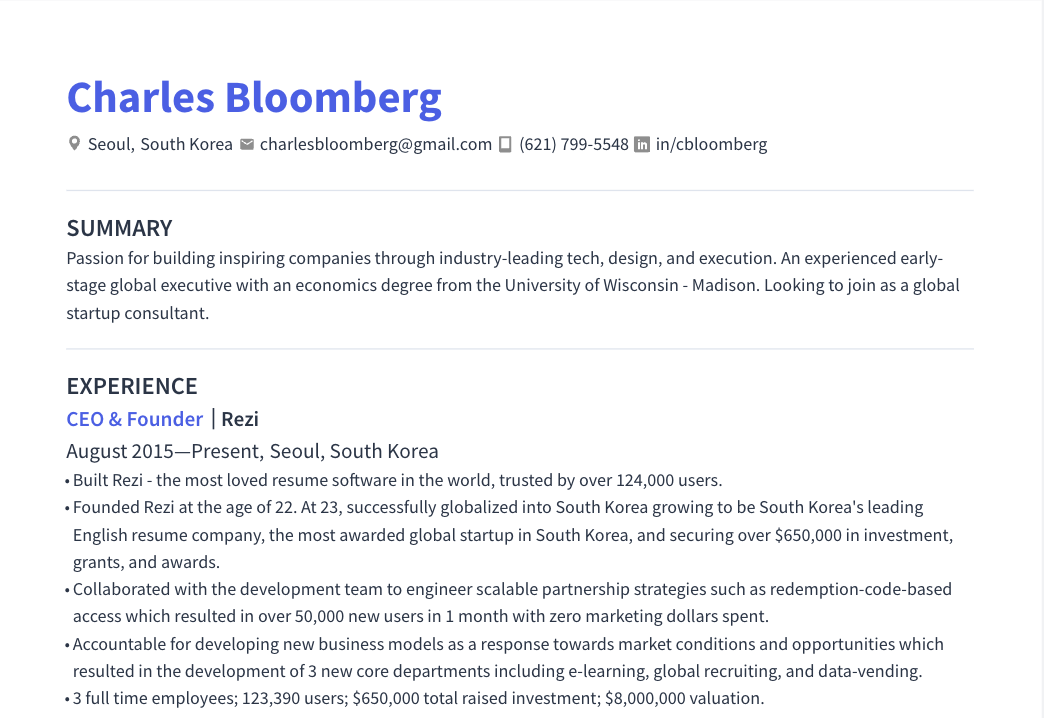
Impress employers and recruiters.
Choose from hundreds of resume examples.
Tailor your resume to this Kinship Management Analyst II role.
Rezi rewrites your resume against Texas Health & Human Services Commission's job description. Free.
Tailor your resume to this Kinship Management Analyst II role.
Rezi rewrites your resume against Texas Health & Human Services Commission's job description. Free.
Don't guess if your resume is good enough.
See how it scores against the Kinship Management Analyst II posting at Texas Health & Human Services Commission — free, in seconds.
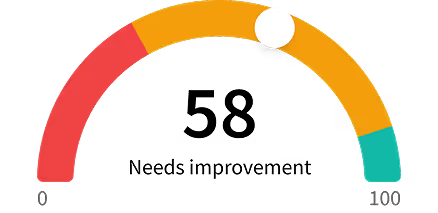
Don't guess if your resume is good enough.
See how it scores against the Kinship Management Analyst II posting at Texas Health & Human Services Commission — free, in seconds.
About the Role
The Kinship Management Analyst II performs complex organizational and policy analysis work to support the kinship program. This role analyzes data related to service delivery, staff workload, and program operations to identify trends and improve how kin caregivers are supported, ultimately contributing to child safety and placement stability. The analyst transforms data into actionable insights to strengthen strategic planning and continuous improvement efforts.
Responsibilities
- Collects and analyzes data in areas such as workload, operational, business, and managerial practices; staff utilization; organizational structure and development; and space utilization.
- Compiles and analyzes regional kinship worker caseload data each month to identify staffing patterns, workload disparities, and potential gaps in caregiver support, then summarizes findings for regional leadership to guide resource adjustments and support planning.
- Collects and evaluates operational data on initial home assessments and permanency outcomes for kinship placements, identifying correlations between family engagement, service timelines, and placement stability to inform process improvements.
- Maps the current Kinship organizational structure statewide, including roles, reporting lines, and support coverage, and identifies areas where realignment could increase efficiency, reduce redundancy, or improve communication between regional and State Office staff.
- Monitors and reviews current organizational, procedural, and operational systems for effectiveness, efficiency, and conformance to established guidelines.
- Monitors regional variations in how initial kinship home assessments are conducted and reviews them against DFPS policy and permanency planning procedures to identify inconsistencies or inefficiencies that may impact placement timeliness and permanency outcomes.
- Reviews the effectiveness of internal communication protocols between regional kinship workers, primary caseworkers, and supervisors to determine if information-sharing practices support timely service coordination and caregiver engagement.
- Evaluates whether current workflows for kin caregiver support, such as referral tracking, financial assistance coordination, and caregiver follow-up, are efficiently and in alignment with DFPS kinship policy and permanency planning standards.
- Consults with management to initiate studies; identify priorities; and define study scope, purpose, objectives, time frames, and resource requirements.
- Meets with State Office leadership, as needed, to review performance trends and consult on potential study topics, such as delays in caregiver payments or regional differences in kinship engagement, to determine what priorities warrant further analysis.
- Develops detailed study plans, including purpose, research questions, required data sources, estimated timeframes, and staffing needs, for approved kinship initiatives such as improving initial contact with caregivers or streamlining placement verification processes.
- Coordinates planning sessions with regional kinship supervisors and analysts to define localized study goals, such as increasing timely referrals or improving access to community resources, preventing a placement disruption, and outlines timeframes and deliverables for each region’s participation.
- Researches historical, current, and projected data to identify problems, causes, and areas for which procedural or system changes are indicated.
- Analyzes previous years of statewide kinship placement data to identify trends in placement disruptions, compares those trends across regions, and recommends procedural changes to strengthen support during the early stages of caregiver engagement.
- Compares current and projected caregiver onboarding timelines across regions, identifies common delays in processing verification documents, and proposes revisions to documentation workflows or training needs.
- Researches past policy implementation outcomes, such as changes to financial assistance notifications, and evaluates whether those changes improved clarity and timeliness for caregivers, using help desk inquiries and caregiver satisfaction surveys as supporting data.
- Researches new or improved business and management practices for application to agency programs or operations.
- Researches kinship program models used in other states, such as centralized navigator teams or co-located service hubs, and evaluates their relevance to Texas CPS in terms of scalability, service equity, and caregiver satisfaction.
- Monitors national child welfare research and best practice guidance, such as the Children’s Bureau or Casey Family Programs, to identify emerging trends in kinship engagement, and summarizes findings for CPS leadership to support data-driven innovation.
- Analyzes new or proposed legislation or regulations to determine their effect on program operations and management.
- Reviews proposed legislation related to kinship care, caregiver support, or permanency timelines during each legislative session and prepares a summary analysis outlining potential impacts to CPS kinship operations, staffing, and caregiver services.
- Analyzes changes to federal guidance, such as Title IV-E regulations and identifies whether adjustments are needed to kinship program procedures, eligibility criteria, or financial assistance communication.
- Prepares briefing documents for CPS leadership following the passage of relevant legislation, outlining required implementation steps, potential resource needs, and risks if operational changes are delayed.
- Develops recommendations for improvement and corrective action to standardize or improve organizational systems.
- Identifies inconsistencies in how regional staff communicate financial assistance information to kinship caregivers and develops standardized communication templates and job aids to ensure accurate, timely, and equitable service delivery statewide.
- Develops recommendations to streamline kinship placement approval workflow after reviewing case processing timelines and identifying delays caused by duplicated verification steps across systems or teams.
- After reviewing data on regional compliance with kinship engagement timelines, recommends corrective actions including targeted staff coaching, updated internal checklists, and clarified supervisory review steps to increase timely contact with caregivers.
- Conducts studies of employee or organizational efficiency and productivity and recommends changes or improvements in organization, staffing, work methods, and procedures.
- Studies current case processing workflows for verifying kinship placements, identifies delays due to repetitive data entry and document routing, and proposes streamlined procedures or technology-based solutions to improve overall efficiency.
- Evaluates the productivity of kinship support staff in relation to administrative tasks, such as data entry, service tracking, and referral documentation, and recommends revisions to work methods or use of shared services to increase time spent on direct caregiver engagement.
- Prepare comprehensive technical records and reports to present and interpret data, identify alternatives, and make and justify recommendations.
- Prepares performance reports, as needed, for CPS leadership that summarize trends in caregiver onboarding timelines, placement stability, and kinship worker caseloads.
- Develops comparative analysis reports outlining alternative strategies for kinship placement verification, such as staggered intake, centralized document review, or automated checklists, and presents the pros, cons, and resource implications of each to help leadership make informed decisions.
- Creates executive briefings that gather findings from special projects, such as pilot evaluations or caregiver satisfaction studies, into concise, high-impact summaries with visuals, key insights, and recommendations for implementation.
- Conduct readiness assessments for change initiatives, analyze results, and report findings to management.
- Leads readiness assessments prior to the rollout of updated caregiver documentation procedures, gathering input through surveys and interviews with kinship workers and supervisors to evaluate staff understanding, resource availability, and implementation barriers.
- Analyzes readiness assessment data from multiple regions to identify common challenges, such as inconsistent access to training, IT tools, or communication, and provides a summary report with recommendations or additional support.
- Presents readiness findings and tailored risk mitigation strategies to CPS leadership, highlighting which areas are prepared for immediate adoption, and where additional resources, training, or communication are needed.
- Conduct training on new methods and procedures.
- Develops and delivers interactive training sessions to regional staff on newly implemented or revised caregiver verification procedures, including step-by-step walkthroughs, real-case examples, and opportunities for live Q & A to support learning and confidence.
- Creates user-friendly training materials, such as job aids, recorded tutorials, and quick refence guides, to reinforce staff understanding of updated processes for kinship caregiver supports.
- Conducts follow-up sessions with regional staff after implementation of new or revised kinship practices to assess knowledge retention, gather feedback, and address challenges or confusion through refresher guidance or process clarification.
- Conduct special projects.
- Leads special projects to evaluate kinship caregiver communication preferences by conducting surveys and interviews, and compiles findings into a summary report with recommendations to improve the clarity and accessibility of outreach materials.
- Conducts rapid-response analysis projects to support legislative reporting on kinship placement stability, compiling regional case data and summarizing patterns related to caregiver turnover, support gaps, and permanency timelines.
- Review industry developments and make recommendations for possible agency application.
- Reviews national child welfare reports, federal publications, and peer state initiatives related to kinship programs, and prepares a summary of applicable practices that could enhance Texas’s approach to supporting relatives and fictive kin.
- Analyzes new technology platforms, such as mobile case tracking or digital caregiver orientation tools, used in other states or recommended by child welfare workgroups, and advises leadership on their potential benefits, risks, and feasibility for CPS kinship operations.
- Prepares environmental scans summarizing industry developments, such as family finding innovations, trauma-informed engagement strategies, and equity-focused models, and presents actionable recommendations to CPS leadership for possible adaptation in Texas.
- Performs related work as assigned.
Requirements
- Experience in methods analysis, management, organizational development, or methods and systems work.
- Graduation from an accredited four-year college or university with major coursework in business administration, organizational leadership, industrial organizational psychology, or a related field.
- Two years’ experience as a DFPS supervisor or above (Preferred).
- An in-basket exercise designed will be administered as part of the interview process.
- Your application must be complete and include all required information. This includes dates of employment, job titles, employer names, supervisor names and phone numbers, current or final salary, reasons for leaving (if applicable), and a description of duties performed that clearly demonstrates how you meet the initial selection criteria. Resumes do not substitute for the requirement to provide this information within the application.
- Applicants selected for hire must pass a background check and if applicable a driver’s record check.
- State of Texas employees are required to maintain the security and integrity of critical infrastructure as defined in Section 117.001(2), State of Texas Business and Commerce Code. Applicants selected for hire comply with this code by completing related training and abiding by agency cybersecurity and communications system usage policies.
- As a state agency, DFPS is required by Texas Administrative Code (TAC 206 and 213) to ensure all Electronic Information Resources (EIR) follow accessibility standards. The staff must be familiar with the WCAG 2.1 AA and Section 508 to create accessible content including but not limited to; Microsoft Office documents, Adobe PDFs, webpages, software, training guides, video, and audio files.
- DFPS uses E-Verify. You must bring your I-9 documentation with you on your first day of work. Employees must provide documentation to DFPS to show their identity and authorization to work in the US.
- In compliance with the Americans with Disabilities Act (ADA), HHS/DFPS agencies will provide reasonable accommodation during the hiring and selection process for qualified individuals with a disability. If you need assistance completing the on-line application, contact the HHS/DFPS Employee Service Center at 1-888-894-4747. If you are contacted for an interview and need accommodation to participate in the interview process, please notify the person scheduling the interview.
Skills
- Knowledge of organizational development and management practices as applied to the analysis, evaluation, development, and implementation of programs, policies, and procedures; methods and procedures analysis techniques; work simplification methods; forms and records design and control procedures; and statistical analysis.
- Skill in the use of a computer and applicable software.
- Ability to analyze or evaluate problems; to develop, recommend, or present alternative solutions; to conduct or coordinate studies; to develop, interpret, or implement policies and procedures; to design programs or training; to prepare concise reports; and to communicate effectively.
Location
- AUSTIN
Work Type
- Full time
- Up to 20% Travel
Experience Level
- Journey-level
- Two years’ experience as a DFPS supervisor or above (Preferred)
Education Level
- Graduation from an accredited four-year college or university with major coursework in business administration, organizational leadership, industrial organizational psychology, or a related field.
Salary/Compensations
- $4,523.16 - $7,253.83 Monthly
Benefits
- 100% paid health insurance for you, and 50% paid for eligible family members
- Retirement plans with lifetime monthly payments after five years of state service, plus options to save even more with 401(k) and 457 plans
- Paid vacation, holidays, and sick leave
- Optional dental, vision, and life insurance
- Flexible spending accounts for added tax savings on health and dependent care
- Employee discounts on things like gym memberships, electronics, and entertainment
- Public Service Loan Forgiveness may be available
About the Company
- The Texas Department of Family and Protective Services (DFPS) works to build on strengths of families and communities to keep children and vulnerable adults safe, so they thrive. We do this through investigations, services, and referrals.
Equal Opportunity
- In compliance with the Americans with Disabilities Act (ADA), HHS/DFPS agencies will provide reasonable accommodation during the hiring and selection process for qualified individuals with a disability.