Inpatient Stroke Physician Assistant/Nurse Practitioner
UBMD Physicians Group · Buffalo, NY, US
32 minutes agoImpress employers and recruiters.
Choose from hundreds of resume examples.

Impress employers and recruiters.
Choose from hundreds of resume examples.
Tailor your resume to this Inpatient Stroke Physician Assistant/Nurse Practitioner role.
Rezi rewrites your resume against UBMD Physicians Group's job description. Free.
Tailor your resume to this Inpatient Stroke Physician Assistant/Nurse Practitioner role.
Rezi rewrites your resume against UBMD Physicians Group's job description. Free.
Don't guess if your resume is good enough.
See how it scores against the Inpatient Stroke Physician Assistant/Nurse Practitioner posting at UBMD Physicians Group — free, in seconds.
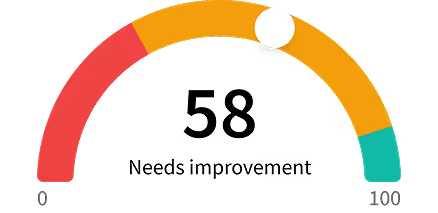
Don't guess if your resume is good enough.
See how it scores against the Inpatient Stroke Physician Assistant/Nurse Practitioner posting at UBMD Physicians Group — free, in seconds.
About the Role
The Inpatient Stroke Physician Assistant (PA)/Nurse Practitioner (NP) provides comprehensive medical care to hospitalized patients with acute and chronic neurological conditions, with a primary focus on cerebrovascular disease. The PA/NP evaluates patients, develops treatment plans, monitors progress, coordinates care, and facilitates discharge planning, playing an integral role in delivering timely, evidence-based, patient-centered care.
Responsibilities
- Conduct initial and ongoing assessments of hospitalized patients, including comprehensive medical histories, physical examinations, and neurological evaluations.
- Perform and document detailed neurological examinations, including stroke severity assessments using standardized tools such as the National Institutes of Health Stroke Scale (NIHSS), as appropriate.
- Evaluate patients presenting with acute neurological symptoms, including suspected stroke, TIA, altered mental status, and other cerebrovascular conditions.
- Participate in daily inpatient rounds with supervising physicians and the stroke care team.
- Develop, implement, and modify individualized treatment plans in collaboration with the supervising physician.
- Monitor patients for changes in neurological status, treatment response, and potential complications.
- Identify significant changes in patient condition and initiate timely escalation to the supervising physician and appropriate clinical team.
- Assist in managing common inpatient medical conditions and complications associated with stroke and neurological disease.
- Participate in the evaluation and management of patients with acute ischemic stroke, hemorrhagic stroke, and transient ischemic attacks.
- Assist with acute stroke evaluations and stroke alert responses in accordance with hospital protocols, assigned responsibilities, and approved clinical privileges.
- Support the assessment of patients for time-sensitive stroke interventions in collaboration with the stroke physician and appropriate specialists.
- Assist in monitoring patients following thrombolytic treatment, mechanical thrombectomy, or other cerebrovascular interventions.
- Monitor neurological status, blood pressure, and other clinical parameters in accordance with established stroke management protocols.
- Evaluate and assist in managing stroke-related complications, including neurological deterioration, cerebral edema, seizures, dysphagia, and associated medical conditions.
- Collaborate with supervising physicians in developing secondary stroke prevention strategies, including risk factor management and medication planning.
- Participate in patient and family education regarding stroke diagnosis, treatment, recovery, and prevention.
- Order, review, and interpret appropriate diagnostic studies, including laboratory testing and neurological imaging, within the scope of authorized practice.
- Review diagnostic findings and communicate significant results to supervising physicians and the interdisciplinary team.
- Formulate differential diagnoses based on medical history, physical examination, neurological findings, and diagnostic results.
- Initiate and manage medications and treatments as authorized by the supervising physician and hospital privileges.
- Evaluate patient response to medical interventions and recommend modifications to treatment plans as appropriate.
- Perform approved bedside procedures consistent with education, demonstrated competency, and hospital-granted clinical privileges.
- Request specialty consultations and coordinate additional diagnostic evaluations when clinically indicated.
- Collaborate with physicians, nursing staff, rehabilitation specialists, case managers, social workers, and other healthcare professionals to coordinate inpatient care.
- Participate in interdisciplinary discussions regarding patient progress, treatment goals, rehabilitation needs, and discharge readiness.
- Assist in identifying appropriate post-acute care needs, including inpatient rehabilitation, skilled nursing, home healthcare, and outpatient follow-up.
- Coordinate discharge planning to support safe transitions of care and continuity of treatment.
- Prepare discharge documentation, medication reconciliation, patient instructions, and follow-up recommendations.
- Communicate relevant clinical information to referring physicians, outpatient providers, patients, and families as appropriate.
- Maintain accurate, timely, and comprehensive patient records within the electronic medical record (EMR).
- Complete admission histories, progress notes, consultation notes, discharge summaries, and other required clinical documentation.
- Ensure documentation reflects patient assessments, clinical decision-making, treatment plans, and response to care.
- Follow hospital policies, clinical protocols, regulatory requirements, and established standards of professional practice.
- Maintain patient confidentiality and comply with HIPAA and applicable privacy requirements.
- Participate in clinical quality assurance activities, chart reviews, and documentation improvement initiatives.
- Participate in stroke program quality improvement initiatives, including review of patient outcomes, clinical practices, and established performance measures.
- Support compliance with applicable stroke center protocols, accreditation standards, and evidence-based clinical guidelines.
- Collaborate with physicians and clinical leadership to identify opportunities to improve patient safety, care delivery, and clinical outcomes.
- Attend departmental meetings, educational activities, case reviews, and interdisciplinary conferences as required.
- Maintain current clinical knowledge through continuing education and professional development.
- Demonstrate effective communication and professional collaboration with patients, families, physicians, and members of the healthcare team.
Requirements
- Graduation from an accredited Physician Assistant or Nurse Practitioner educational program.
- Current and unrestricted Physician Assistant or Nurse Practitioner license in New York State, or eligibility for licensure prior to employment.
- Current Basic Life Support (BLS) certification.
- Eligibility for hospital credentialing and clinical privileges.
- Ability to perform assigned clinical responsibilities in accordance with New York State laws and hospital policies.
- Strong clinical assessment, documentation, communication, and critical-thinking skills.
- Ability to work effectively in a fast-paced inpatient hospital environment.
- Previous clinical experience in inpatient neurology, stroke care, neurocritical care, hospital medicine, emergency medicine, or a related specialty.
- Experience evaluating and managing patients with acute neurological or cerebrovascular conditions.
- Familiarity with stroke management protocols and the National Institutes of Health Stroke Scale (NIHSS).
- Experience utilizing electronic medical records and inpatient clinical documentation systems.
- Advanced Cardiovascular Life Support (ACLS) certification.
- Demonstrated ability to collaborate with multidisciplinary hospital teams.
Skills
- Clinical assessment
- Documentation
- Communication
- Critical-thinking
- Stroke management protocols
- NIHSS
- Electronic medical records
- Inpatient clinical documentation systems
- Collaboration with multidisciplinary hospital teams
Location
- On-site
Work Type
- Full-Time
- On-site
Experience Level
- Previous clinical experience in inpatient neurology, stroke care, neurocritical care, hospital medicine, emergency medicine, or a related specialty.
- Experience evaluating and managing patients with acute neurological or cerebrovascular conditions.
Education Level
- Graduation from an accredited Physician Assistant or Nurse Practitioner educational program.
Salary/Compensations
- $135,000-$155,000
Benefits
- 401(k) retirement plan
- Health, dental, and vision insurance
- Health savings account (HSA)
- Paid time off
- 401(k) with matching
- Life insurance
- Paid time off
About the Company
- UBMD Neurology
Equal Opportunity
- UNIVERSITY NEUROLOGY INC. IS AN EQUAL EMPLOYMENT OPPORTUNITY (EEO) EMPLOYER.