Impress employers and recruiters.
Choose from hundreds of resume examples.

Impress employers and recruiters.
Choose from hundreds of resume examples.
Tailor your resume to this Emergency Room (ED) Nurse Manager role.
Rezi rewrites your resume against St. James Hospital's job description. Free.
Tailor your resume to this Emergency Room (ED) Nurse Manager role.
Rezi rewrites your resume against St. James Hospital's job description. Free.
Don't guess if your resume is good enough.
See how it scores against the Emergency Room (ED) Nurse Manager posting at St. James Hospital — free, in seconds.
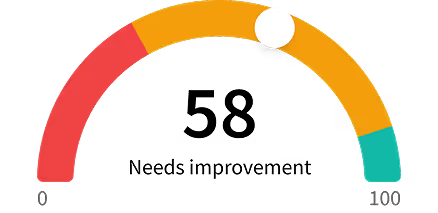
Don't guess if your resume is good enough.
See how it scores against the Emergency Room (ED) Nurse Manager posting at St. James Hospital — free, in seconds.
About the Role
The Emergency Department (ED) Nurse Manager is responsible for the 24-hour operations, leadership, and overall management of the Emergency Department, including clinical, programmatic, operational, financial, and human resource functions. This role ensures the delivery of safe, high-quality, patient-centered nursing care and maintains a visible presence in the clinical environment, supporting bedside nursing functions as operationally necessary.
Responsibilities
- Designs, supports, and leads a safe, therapeutic, efficient, and patient-centered Emergency Department environment.
- Oversees the 24-hour clinical and operational functions of the Emergency Department, ensuring appropriate nursing care, patient safety, and continuity of services across all shifts.
- Ensures nursing care and departmental operations comply with established standards of practice, hospital policies, and applicable federal and state regulations.
- Maintains a working knowledge of emergency nursing practices, bedside triage, emergency procedures, clinical documentation, electronic health records, and department-specific equipment.
- Monitors patient care delivery, clinical outcomes, and nursing practices against established quality indicators and external benchmarks.
- Oversees patient flow, triage processes, room utilization, patient throughput, and timely disposition to promote efficient care delivery.
- Establishes and monitors operational performance indicators, including door-to-triage times, patient wait times, left-without-being-seen rates, and other applicable ED productivity and quality measures.
- Collaborates with the ED, PACU, OR, Medical-Surgical/ICU, and House Supervisors to facilitate timely patient placement, appropriate level-of-care transitions, and efficient utilization of hospital resources.
- Ensures effective communication and coordination among nursing staff, physicians, ancillary departments, and other members of the interdisciplinary patient care team.
- Ensures patient and employee confidentiality is maintained.
- Addresses patient and family concerns in a timely manner and provides service recovery when appropriate.
- Incorporates patient values, preferences, cultural diversity, expressed needs, and knowledge into all aspects of care.
- Develops, interprets, supports, and implements departmental policies and procedures to ensure consistency and compliance across all shifts.
- Ensures compliance with applicable regulatory and accrediting agency requirements, including New York State Department of Health, The Joint Commission, OSHA, and other governing standards.
- Monitors clinical and operational data to identify opportunities for improvement in patient safety, clinical outcomes, patient satisfaction, and departmental performance.
- Establishes measurable performance goals and develops action plans to address identified opportunities.
- Ensures patient experience and satisfaction scores meet or exceed established organizational goals.
- Develops and monitors measures to evaluate the effectiveness of quality improvement initiatives and implemented interventions.
- Participates in hospital-wide information management, performance improvement, infection prevention and control, and patient safety programs.
- Leads and supports Emergency Department quality improvement initiatives aligned with organizational priorities, in collaboration with and under the guidance of the Vice President of Quality.
- Reviews patient incident reports, adverse events, and identified deviations from established standards of care; ensures appropriate investigation, follow-up, and corrective action.
- Participates in root-cause analyses, safety reviews, and other organizational processes designed to identify contributing factors and prevent recurrence.
- Collaborates with Quality and Risk Management personnel to integrate departmental improvement efforts with hospital-wide performance improvement initiatives.
- Implements evidence-based nursing practices and supports the integration of research and clinical best practices into departmental operations.
- Ensures appropriate documentation, monitoring, and follow-through of corrective action plans and quality initiatives.
- Develops, prepares, implements, and monitors the Emergency Department operating budget, including staffing, supplies, equipment, and other departmental expenses.
- Reviews and reconciles monthly budget performance, analyzes variances, identifies contributing factors, and develops corrective strategies as necessary.
- Monitors patient volume, staffing productivity, and operational trends to support appropriate resource allocation and financial performance.
- Manages overtime, agency and travel staffing utilization, vacancies, and float pool resources in accordance with established hospital financial goals.
- Provides timely and accurate explanations of budget variances, supported by relevant facts and data.
- Leads the departmental capital budget process by identifying equipment and technology needs, obtaining quotes, prioritizing requests, and preparing supporting justifications.
- Ensures effective and appropriate utilization of staffing, supplies, equipment, and other available resources without compromising patient safety or quality of care.
- Identifies opportunities to improve operational efficiency, streamline workflows, reduce unnecessary expenses, and support departmental financial sustainability.
- Monitors revenue integrity and supports accurate clinical documentation and departmental workflows that contribute to appropriate billing and reimbursement.
- Makes recommendations to the Chief Nursing Officer and hospital leadership regarding cost-saving opportunities, resource allocation, and strategies to improve departmental financial performance.
- Directs and oversees recruitment, selection, orientation, supervision, retention, and evaluation of Emergency Department personnel.
- Ensures appropriate staffing levels and skill mix to meet patient care demands and departmental operational requirements.
- Develops and maintains staffing schedules in accordance with patient volume, acuity, productivity expectations, and established hospital staffing guidelines.
- Reviews and approves payroll and timekeeping documentation in accordance with established policies and authorization criteria.
- Clearly communicates job responsibilities, performance expectations, and accountability standards to departmental employees.
- Conducts timely employee performance evaluations and provides ongoing coaching, constructive feedback, and professional development opportunities.
- Addresses performance concerns promptly and consistently through appropriate counseling, corrective action, and performance improvement plans.
- Ensures staff competencies, required certifications, and clinical education requirements are current and appropriately documented.
- Delegates authority and accountability consistent with individual scope of practice, applicable laws and regulations, and hospital policies.
- Promotes employee engagement, teamwork, accountability, and a positive work environment.
- Supports employees through organizational change and facilitates the successful implementation and acceptance of new processes and initiatives.
- Maintains confidentiality and exercises appropriate judgment when handling sensitive employee and organizational matters.
- Identifies opportunities for staff growth, development, cross-training, and career advancement.
- Provides visible clinical leadership and maintains the knowledge and skills necessary to support Emergency Department operations.
- Provides clinical support and backup coverage during staffing shortages, including triage and patient care assignments as operationally necessary.
- Ensures staff are appropriately trained in the operation and troubleshooting of Emergency Department equipment, including cardiac monitors, defibrillators, and other clinical technology.
- Facilitates and monitors ongoing clinical education and competency development, including ACLS, PALS, trauma protocols, emergency nursing practices, and other applicable training requirements.
- Identifies educational needs and secures appropriate resources to support staff competency and professional development.
- Promotes evidence-based practice, clinical excellence, and adherence to established nursing standards.
- Models the hospital's ICARE values and demonstrates courtesy, respect, compassion, and empathy in all interactions with patients, families, employees, physicians, and colleagues.
- Communicates patient experience and staff engagement results to employees and the interdisciplinary patient care team.
- Develops and implements service excellence initiatives and interventions to improve patient and family satisfaction.
- Establishes expectations for professional conduct, responsiveness, and accountability throughout the department.
- Actively participates as a member of St. James Hospital Nursing Leadership and contributes to the development and achievement of organizational goals.
- Collaborates with the Chief Nursing Officer, medical staff, senior leadership, interdisciplinary teams, and other department leaders to develop, implement, and evaluate programs and services.
- Serves as a liaison between nursing, physicians, ancillary departments, and administrative leadership to facilitate communication, resolve operational issues, and support effective patient care delivery.
- Communicates quantitative and qualitative information regarding patient experience, clinical performance, operational outcomes, and staff engagement.
- Assists in establishing departmental priorities, goals, objectives, and action plans consistent with hospital strategic initiatives.
- Leads or participates in hospital committees, task forces, and other organizational activities as assigned.
- Supports the development and implementation of organizational policies, procedures, and process improvements.
- Promotes interdisciplinary collaboration, effective problem-solving, and accountability throughout the healthcare delivery system.
- Ensures departmental compliance with applicable federal and state laws, regulations, professional standards, hospital policies, and accrediting agency requirements.
- Maintains departmental readiness for regulatory surveys, including The Joint Commission and New York State Department of Health.
- Collaborates with Quality, Risk Management, Infection Prevention, and other departments to address regulatory findings, identified deficiencies, and required corrective actions.
- Ensures adherence to infection prevention and control practices, employee safety requirements, and applicable OSHA standards.
- Supports the implementation and ongoing monitoring of departmental policies, procedures, and required education.
- Ensures all employees understand and adhere to the hospital's Standards of Conduct, Corporate Compliance Plan, and applicable compliance education requirements.
- Maintains professional knowledge and competency through continuing education and awareness of developments affecting emergency nursing and healthcare operations.
- Performs other duties and responsibilities as assigned by the Chief Nursing Officer or hospital administration consistent with the position's scope and organizational needs.
Requirements
- Ability to move or transfer patients and perform the physical activities associated with an active Emergency Department environment.
- Must have sufficient range of body motion to perform essential job functions, including frequent standing, walking, bending, kneeling, crouching, reaching, and lifting during an eight (8) hour or longer shift.
- Repetitive hand and wrist movements may be required for clinical documentation and equipment operation.
- Ability to read, write, and interpret documents in English, including safety rules, operating and maintenance instructions, policies, procedures, and technical or professional publications.
- Ability to prepare reports, business correspondence, and departmental procedures.
- Must possess effective verbal and written communication skills and the ability to communicate professionally with employees, patients, families, physicians, vendors, and multidisciplinary teams.
- Ability to perform basic mathematical calculations, including proportions, percentages, rates, ratios, staffing calculations, productivity measurements, supply inventories, and budget monitoring.
- Ability to exercise independent judgment, solve practical problems, and manage competing priorities in a fast-paced clinical environment.
- Must be able to analyze information, interpret policies and procedures, evaluate operational and clinical situations, make sound decisions, and respond appropriately to changing patient care and organizational needs.
Skills
- Emergency Department clinical operations
- Staffing
- Patient throughput
- Quality improvement
- Patient-centered care
- Departmental budgets
- Staffing resources
- Employee performance management
- Operational priorities
- Effective communication
- Conflict resolution
- Confidentiality
- Windows
- Microsoft Office applications
- Electronic health record systems
- ACLS
- BLS
- PALS
- CEN
Location
- Hospital-based within the Emergency Department
Work Type
- 24-hour operations
- Full-time
Experience Level
- Minimum of three (3) years of experience as a Registered Nurse in an Emergency Department required.
- Minimum of two (2) years of nursing management or supervisory experience required.
- Three (3) to five (5) years of progressive leadership experience in an Emergency Department or acute-care setting preferred.
Education Level
- Bachelor of Science in Nursing (BSN) from an accredited school of nursing required.
- Master's degree in Nursing, Healthcare Administration, or a related field preferred.
About the Company
- St. James Hospital