Impress employers and recruiters.
Choose from hundreds of resume examples.
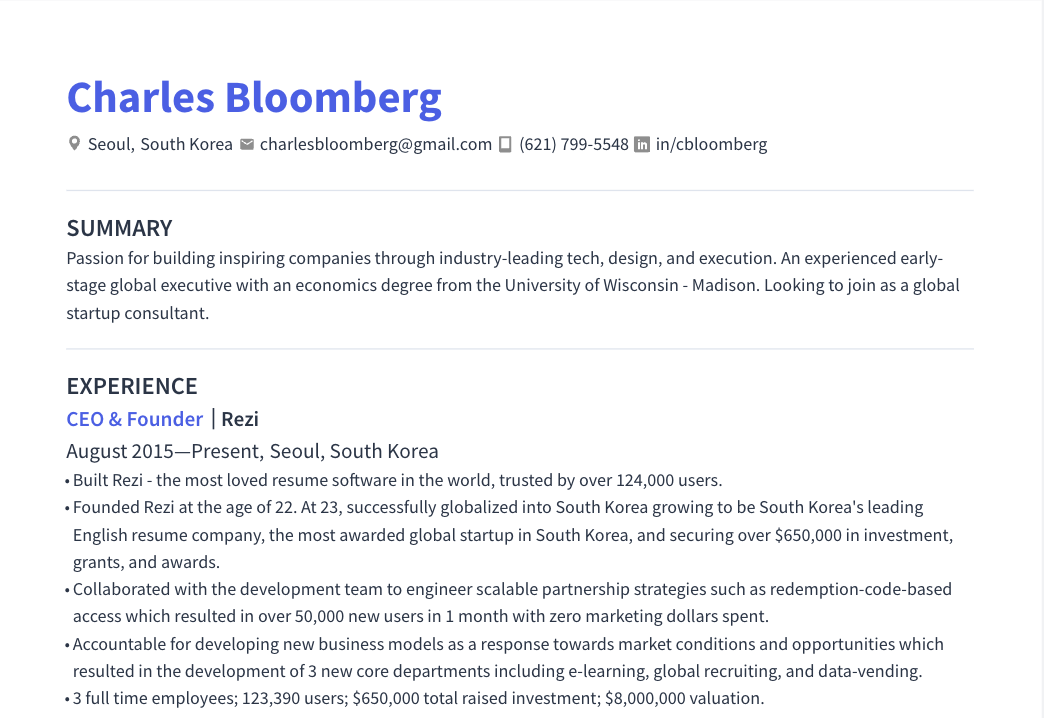
Impress employers and recruiters.
Choose from hundreds of resume examples.
Tailor your resume to this Test Automation Engineer - Hardware & Embedded Systems role.
Rezi rewrites your resume against Fuse Energy's job description. Free.
Tailor your resume to this Test Automation Engineer - Hardware & Embedded Systems role.
Rezi rewrites your resume against Fuse Energy's job description. Free.
Don't guess if your resume is good enough.
See how it scores against the Test Automation Engineer - Hardware & Embedded Systems posting at Fuse Energy — free, in seconds.
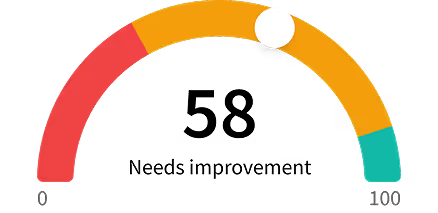
Don't guess if your resume is good enough.
See how it scores against the Test Automation Engineer - Hardware & Embedded Systems posting at Fuse Energy — free, in seconds.
About the Role
Fuse Energy is seeking a Test Automation Engineer with strong Python skills and hands-on experience in hardware and embedded systems testing to join their engineering team. The role involves working closely with hardware and embedded engineering teams to ensure devices and their components are thoroughly tested through scalable, reliable, and repeatable automation processes.
Responsibilities
- Develop and maintain automated testing frameworks and tools for hardware devices.
- Design, build, and maintain automated test rigs, test benches, and testing infrastructure.
- Develop scripts and utilities to automate hardware testing and validation processes.
- Implement and maintain CI/CD pipelines for automated hardware and embedded systems testing.
- Develop and execute automated test scenarios for device functionality, embedded components, and subsystems.
- Support embedded firmware testing and hardware-software integration validation.
- Integrate hardware testing into the overall engineering development and validation workflow.
- Collaborate closely with hardware and embedded engineers to define testing requirements and improve test coverage.
- Establish repeatable testing processes to support the development of new devices.
Requirements
- Practical experience in hardware test automation, embedded systems testing, or testing physical devices.
- Strong proficiency in Python.
- Hands-on experience developing automated testing scripts, frameworks, or engineering tools.
- Experience building internal tools or utilities to support testing and engineering workflows.
- Ability to integrate Python-based automation with hardware interfaces and external equipment.
- Experience building or maintaining automated test rigs, test benches, or hardware testing environments.
- Understanding of embedded systems, device architecture, and hardware-software interactions.
- Experience testing embedded firmware, hardware components, or connected devices.
- Experience with hardware debugging and electronic measurement equipment (oscilloscopes, logic analyzers, multimeters).
Skills
- Python
- Hardware testing
- Embedded systems testing
- Automated testing frameworks
- CI/CD pipelines
- Hardware debugging
- Electronic measurement equipment
Salary/Compensations
- Competitive salary
Benefits
- Eligibility for equity
- Biannual bonus scheme
- Fully expensed tech to match your needs
- Private health insurance
- Breakfast and dinner allowance for office-based employees
About the Company
- Fuse Energy is an energy startup on a mission to make energy abundant and affordable, fast.
- They combine first-principles thinking with cutting-edge technology to build a radically better energy system.
- The company has raised over $200M from top-tier investors including Balderton, Lakestar, Accel, Creandum, Lowercarbon, Ribbit, 20VC, Hummingbird and Collaborative Fund, alongside strategic angels including Nico Rosberg and GPs behind Meta, Revolut, Spotify and Uber.
- They are building a fully integrated energy company: developing their own solar, batteries and other generation projects, building their own hardware, improving and developing grid infrastructure, trading power in real time, using AI across the business, and installing distributed energy in homes.
- By selling directly to consumers they cut out the middleman, lower costs and pass the savings on to their customers.