Impress employers and recruiters.
Choose from hundreds of resume examples.
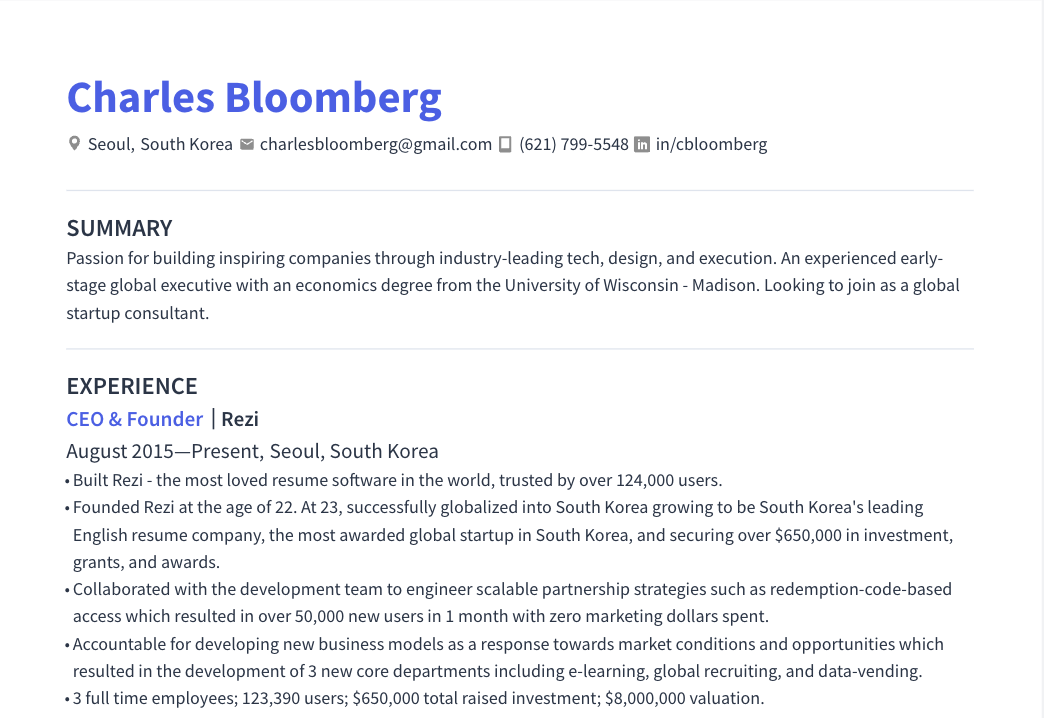
Impress employers and recruiters.
Choose from hundreds of resume examples.
Tailor your resume to this Decision Scientist, Emergency Department Action Team role.
Rezi rewrites your resume against Ontario Health's job description. Free.
Tailor your resume to this Decision Scientist, Emergency Department Action Team role.
Rezi rewrites your resume against Ontario Health's job description. Free.
Don't guess if your resume is good enough.
See how it scores against the Decision Scientist, Emergency Department Action Team posting at Ontario Health — free, in seconds.
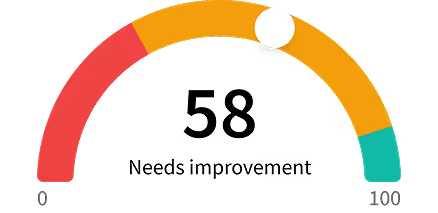
Don't guess if your resume is good enough.
See how it scores against the Decision Scientist, Emergency Department Action Team posting at Ontario Health — free, in seconds.
About the Role
In this role, you will bring analytical expertise to hospital engagements across the province, helping teams understand performance, uncover opportunities for improvement, make evidence-informed decisions, and measure whether changes are delivering meaningful and sustainable results. The Decision Scientist will work alongside hospital executives, physicians, clinical and operational leaders, EDAT colleagues, and Ontario Health partners to analyze complex hospital and provincial data. From identifying patient-flow bottlenecks and demand-capacity challenges to developing predictive analyses and evaluating improvement initiatives, this role will help transform data into practical insights that support better decisions and better outcomes.
Responsibilities
- Conduct data analysis across assigned EDAT hospital engagements, including establishing current-state performance baselines, identifying trends and variation, and quantifying improvement opportunities related to emergency department and hospital flow.
- Define data requirements and support the collection, extraction, integration, validation, and preparation of hospital and provincial data.
- Assess data quality, completeness, consistency, and limitations, and work with hospital and EDAT teams to identify and address data gaps and quality issues.
- Analyze complex hospital and provincial datasets using appropriate statistical methods and analytical models to identify performance drivers, bottlenecks, delays, demand and capacity constraints, utilization patterns, variation, relationships, and other factors affecting operational performance, and translate findings into actionable insights.
- Develop and apply predictive models and other advanced analytical methods, where appropriate, to forecast performance, assess potential impacts, and support data-driven planning and decision-making.
- Develop, automate, and streamline data collection, preparation, analysis, and reporting processes to improve efficiency, reproducibility, consistency, and scalability across EDAT hospital engagements.
- Partner with Lean Six Sigma, Clinical Engagement, Change Management and Implementation leads, as well as hospital teams to inform the development and prioritization of improvement recommendations and ensure proposed interventions are supported by appropriate analytical evidence.
- Develop and maintain performance measures, analytical outputs, data visualizations, and reporting tools to monitor implementation progress, evaluate improvement impact, identify emerging issues, and support evidence-informed course correction and sustainability.
- Manage analytical work across concurrent hospital engagements and support consistent application of data definitions, analytical approaches, and measurement methodologies while identifying transferable insights and system-level opportunities across EDAT hospitals.
Requirements
- A relevant Master's or PhD degree in data science, statistics, mathematics, computer science, engineering, health informatics, epidemiology, health administration, or a related quantitative field.
- Minimum of five (5) years of progressive data analytics, statistical analysis, performance measurement, decision support, simulation modelling, optimization or related experience in a hospital, healthcare system, or comparable complex environment.
- Demonstrated experience analyzing complex healthcare or operational datasets using statistical and analytical methods, including trend and variation analysis, performance measurement, and development and interpretation of key performance indicators.
- Demonstrated experience with data collection, extraction, integration, transformation, and validation, including assessing data quality, completeness, consistency, and limitations.
- Demonstrated experience developing and applying statistical and analytical models to understand relationships, identify performance drivers, quantify opportunities, and support evidence-informed decision-making.
- Proficiency with analytical programming, database, simulation modelling, optimization and data visualization tools such as SQL, Python, R, SAS, Power BI, Tableau, AnyLogic, CPLEX or comparable platforms, including experience developing automated, reproducible, and scalable approaches to data preparation, analysis, visualization, and reporting.
- Strong communication and presentation skills, with experience working with clinical, operational, and leadership stakeholders and the ability to translate complex analytical findings into clear and meaningful insights for diverse audiences.
- Availability to travel for on-site hospital visits across Ontario, including flexibility for irregular schedules.
- All applicants must be a resident of Ontario to be considered for roles at Ontario Health.
Skills
- Analytics
- Statistics
- Data management
- Data visualization
- Problem-solving
- Communication
- SQL
- Python
- R
- SAS
- Power BI
- Tableau
- AnyLogic
- CPLEX
- Emergency department and hospital flow data
- Ontario healthcare data sources
- Hospital information systems
- Administrative datasets
- Provincial data and reporting environments
- Predictive models
- Simulation modelling
- Optimization
- Machine learning
- Artificial intelligence
- Lean Six Sigma
- Kaizen
- Statistical process control
- Quality improvement methodologies
Location
- Ontario
Work Type
- In-office
- Permanent Full time
Experience Level
- Minimum of five (5) years of progressive data analytics, statistical analysis, performance measurement, decision support, simulation modelling, optimization or related experience
Education Level
- Master's or PhD degree in data science, statistics, mathematics, computer science, engineering, health informatics, epidemiology, health administration, or a related quantitative field.
Salary/Compensations
- Band 6
Benefits
- Comprehensive health coverage from day one, with fully paid medical, dental, and vision benefits
- Flexible health care or wellness spending accounts
- Inclusive program to support your overall well-being
- A premium defined benefit pension plan
- Competitive vacation entitlement
- Three personal days and two float days annually
- Ongoing learning and career development opportunities
About the Company
- At Ontario Health, we are committed to developing a strong organizational culture that connects and inspires all team members across the province. Our vision is that together, we will be a leader in health and wellness for all. Our mission is to connect the health system to drive improved and equitable health outcomes, experiences and value. How we work together is reflected through our five values: integrity, inspiration, tenacity, humility and care.
Equal Opportunity
- Ontario Health encourages applications from candidates who are First Nations, Métis, Inuit, and urban Indigenous; Francophone; members of Black and racialized groups; 2SLGBTQIA+ communities; trans and nonbinary individuals; and people living with disabilities.
- Ontario Health is an accessible employer, and we offer accommodation in all aspects of employment, including the recruitment process. If you require a disability related accommodation in order to participate in the recruitment process, please email careers@ontariohealth.ca and a member of the team will connect with you within 48 hours.