Impress employers and recruiters.
Choose from hundreds of resume examples.
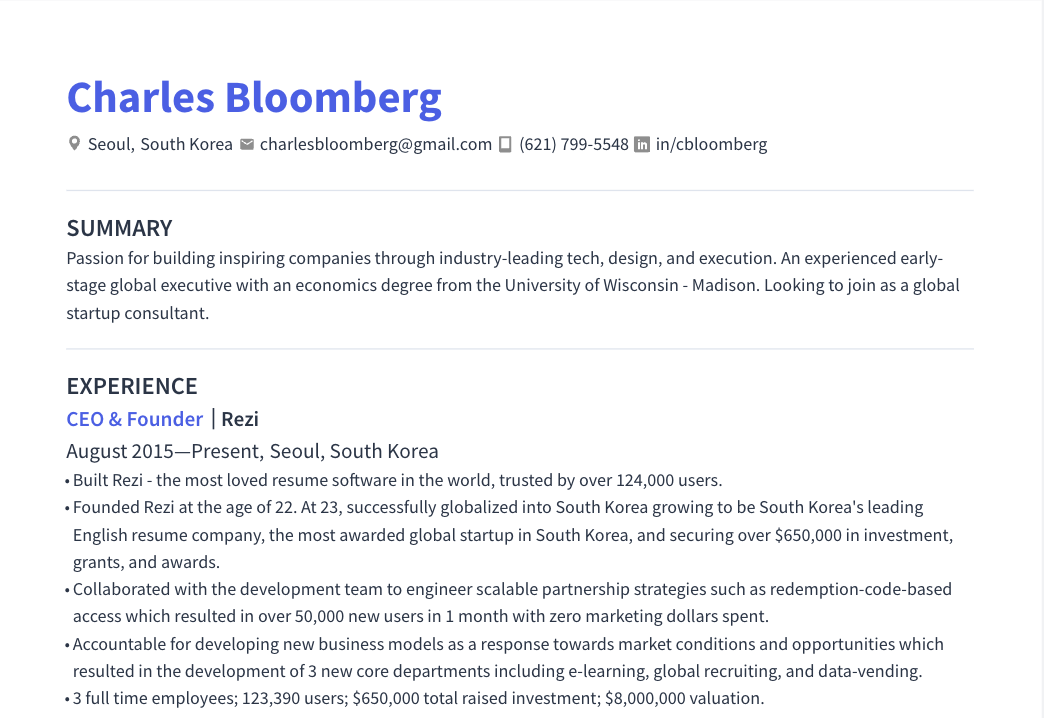
Impress employers and recruiters.
Choose from hundreds of resume examples.
Tailor your resume to this Head of Data and AI Enablement role.
Rezi rewrites your resume against Global University Systems (GUS)'s job description. Free.
Tailor your resume to this Head of Data and AI Enablement role.
Rezi rewrites your resume against Global University Systems (GUS)'s job description. Free.
Don't guess if your resume is good enough.
See how it scores against the Head of Data and AI Enablement posting at Global University Systems (GUS) — free, in seconds.
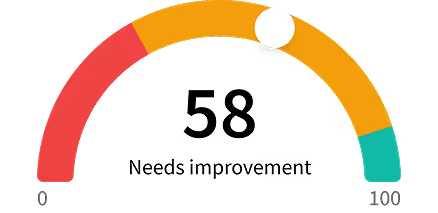
Don't guess if your resume is good enough.
See how it scores against the Head of Data and AI Enablement posting at Global University Systems (GUS) — free, in seconds.
About the Role
The Head of Data and AI Enablement provides strategic and operational leadership for the management, governance, and trusted use of data across GUS. This role establishes the foundations for effective decision-making, regulatory compliance, digital transformation, and responsible AI adoption, enabling the implementation and scaling of AI from a data perspective.
Responsibilities
- Develop and execute the Group data strategy, aligned with business priorities, institutional needs and the CTO’s technology and AI strategy.
- Establish a federated data operating model with clear Group and institutional accountabilities, including data owners, stewards, custodians and domain leads, and the decision rights that make it work in practice.
- Chair the Group data governance council and hold clear decision rights, including sign-off on data standards at design authority and data quality gates before major system go-lives.
- Establish working interfaces and escalation routes with the DPO, Information Security, the AI governance group and institutional registry and compliance teams.
- Own the data workstream for GUS AI implementation, ensuring priority use cases are supported by secure, high-quality and appropriately governed data and knowledge assets.
- Enable reusable data products, semantic models and controlled access patterns supporting generative AI, retrieval-augmented generation, predictive analytics and intelligent automation without duplicated integration or inconsistent context.
- Establish controls for lawful basis, minimisation, provenance, quality, bias assessment, traceability, retention and supplier use of GUS data.
- Govern the unstructured knowledge assets used by AI, such as policies, documents, course and support content, including ownership, curation, versioning, classification and secure access.
- Ensure AI assistants and agents use permission-aware retrieval, so users only see data and content they are entitled to access.
- Provide curated evaluation and ground-truth datasets to test and monitor AI use cases before and after deployment.
- Define rules for staff use of public and third-party AI tools with GUS data, and ensure AI data practices meet applicable regulation, including the EU AI Act for high-risk uses in education.
- Own the enterprise business glossary and agreed definitions of core measures (e.g. applicant, enrolled and active student, retention, progression and completion), approved through Group governance and applied across institutions.
- Establish certified, reusable datasets and a shared semantic layer used consistently by management reporting, analytics, AI and applications, so every channel gives the same answer.
- Own the data standards, quality controls and reconciliation behind regulatory and statutory returns (e.g. OfS and HESA Data Futures, UKVI sponsor reporting and equivalents in other jurisdictions), in partnership with institutional registry and compliance teams.
- Introduce data contracts and change control for shared data structures, so changes to systems of record do not break downstream reporting, integrations or AI use cases.
- Be accountable for data definitions, quality and reconciliation in major system implementations and data migrations, including SIS/SRS programmes.
- Design and implement data governance policies and standards covering ownership, classification, quality, metadata, lineage, master and reference data, retention, records management and controlled sharing, with measurable adoption.
- Run a pragmatic data quality framework focused on critical data elements, business rules, issue management, root-cause remediation and scorecards.
- Partner with Architecture to define target data and knowledge architecture and set data standards for shared platforms, Lakehouse/warehouse, catalogue, integration and analytics services.
- Promote API-first, event-driven and reusable integration patterns across CRM, SIS/SRS, LMS, assessment, finance, HR and other systems of record.
- Create and own a prioritised roadmap with outcomes, milestones, dependencies, investment needs and success measures; lead delivery of foundational capabilities and priority data products.
- Build and lead the data management capability; manage budgets, partners and suppliers, ensuring contracts meet GUS data protection, security, portability and AI-use requirements.
- Drive adoption through communications, training, data literacy and practical support; report KPIs covering quality, availability, reuse, risk, cost and value.
- Lead a team covering data governance, data quality and data products/BI, working closely with data engineering in Architecture and Engineering.
- Deliver agreed first-year outcomes, including a data governance council operating within three months, quality scorecards for priority critical data elements, agreed definitions for core student metrics, and priority AI use cases running on governed data.
Requirements
- Reporting to the CTO
- Establish foundations required for effective decision-making, regulatory compliance, digital transformation and responsible AI adoption
- Enable the implementation and scaling of AI at GUS from a data perspective
- Ensure AI, management reporting, regulatory returns and application development all draw on the same trusted definitions and data
- Clear Group and institutional accountabilities, including data owners, stewards, custodians and domain leads
- Decision rights that make the federated data operating model work in practice
- Sign-off on data standards at design authority and data quality gates before major system go-lives
- Working interfaces and escalation routes with the DPO, Information Security, the AI governance group and institutional registry and compliance teams
- Secure, high-quality and appropriately governed data and knowledge assets for AI use cases
- Reusable data products, semantic models and controlled access patterns supporting generative AI, retrieval-augmented generation, predictive analytics and intelligent automation
- Controls for lawful basis, minimisation, provenance, quality, bias assessment, traceability, retention and supplier use of GUS data
- Governed unstructured knowledge assets used by AI, including ownership, curation, versioning, classification and secure access
- Permission-aware retrieval for AI assistants and agents
- Curated evaluation and ground-truth datasets to test and monitor AI use cases
- Defined rules for staff use of public and third-party AI tools with GUS data
- AI data practices meeting applicable regulation, including the EU AI Act for high-risk uses in education
- Enterprise business glossary and agreed definitions of core measures
- Certified, reusable datasets and a shared semantic layer
- Data standards, quality controls and reconciliation behind regulatory and statutory returns
- Data contracts and change control for shared data structures
- Accountability for data definitions, quality and reconciliation in major system implementations and data migrations
- Data governance policies and standards covering ownership, classification, quality, metadata, lineage, master and reference data, retention, records management and controlled sharing
- Pragmatic data quality framework focused on critical data elements, business rules, issue management, root-cause remediation and scorecards
- Target data and knowledge architecture and data standards for shared platforms, Lakehouse/warehouse, catalogue, integration and analytics services
- API-first, event-driven and reusable integration patterns across CRM, SIS/SRS, LMS, assessment, finance, HR and other systems of record
- Prioritised roadmap with outcomes, milestones, dependencies, investment needs and success measures
- Delivery of foundational capabilities and priority data products
- Data management capability
- Budgets, partners and suppliers management
- Contracts meeting GUS data protection, security, portability and AI-use requirements
- Communications, training, data literacy and practical support for adoption
- KPIs covering quality, availability, reuse, risk, cost and value
- Team leadership covering data governance, data quality and data products/BI
- Collaboration with data engineering in Architecture and Engineering
- Delivery of agreed first-year outcomes
Skills
- Data Strategy
- Data Governance
- AI Enablement
- Decision-Making
- Regulatory Compliance
- Digital Transformation
- Responsible AI Adoption
- Federated Data Operating Model
- Data Ownership
- Data Stewardship
- Data Custodianship
- Data Domain Leadership
- Data Standards
- Data Quality
- Information Security
- AI Governance
- Data Management
- Knowledge Asset Management
- Generative AI
- Retrieval-Augmented Generation
- Predictive Analytics
- Intelligent Automation
- Data Provenance
- Bias Assessment
- Data Traceability
- Data Retention
- Data Minimisation
- Data Classification
- Data Lineage
- Master Data Management
- Reference Data Management
- Data Sharing
- Data Quality Frameworks
- Root-Cause Remediation
- Data Architecture
- Data Standards for Platforms
- Data Warehouse
- Data Lakehouse
- Data Catalogue
- Data Integration
- Analytics Services
- API-first Integration
- Event-Driven Integration
- CRM Integration
- SIS/SRS Integration
- LMS Integration
- Assessment System Integration
- Finance System Integration
- HR System Integration
- Roadmap Development
- Project Delivery
- Budget Management
- Supplier Management
- Data Protection
- Data Security
- Data Portability
- AI Use Requirements
- Data Literacy
- KPI Reporting
- Team Leadership
- Data Engineering Collaboration
Location
- London
Work Type
- Hybrid
- 1-2 days per week in office
Experience Level
- Head of
- Leadership
Salary/Compensations
- £90,000 - £120,000
Benefits
- 25 days annual leave plus bank holidays
- Hybrid working
- Contributory Pension Scheme (5% personal contribution & 3% Company contribution)
- Private Medical Insurance (T&C's apply)
- Season Ticket Loan (T&C's apply)
- Eye Care Vouchers
- Training & Development opportunities (T&C's apply)
- Staff Discount Scheme
- Employee Assistance Programme
- Refer a Friend Scheme for staff members (T&C's apply)
About the Company
- Global University Systems (GUS) is an international education group that empowers students to transform their lives through education.
- We believe education drives careers, lives, and society forward, enabling a brighter and more sustainable future for all.
- Our institutions offer the broadest range of industry-relevant skills through inclusive, accessible and digital-first learning.
- We offer a choice of career-enhancing certificates, degrees and post-graduate level qualifications, equipping our thriving multi-national community of students for lifelong success.
- Our world-leading network and state-of-the-art institutions power the upskilling of our students worldwide.
Equal Opportunity
- GUS is an equal opportunities employer and positively encourages applications from suitably qualified and eligible candidates regardless of sex, race, disability, age, sexual orientation, or religion or belief.