Impress employers and recruiters.
Choose from hundreds of resume examples.

Impress employers and recruiters.
Choose from hundreds of resume examples.
Tailor your resume to this Critical Time Intervention (CTI) Team Lead role.
Rezi rewrites your resume against THRIVE Wellness and Recovery Inc's job description. Free.
Tailor your resume to this Critical Time Intervention (CTI) Team Lead role.
Rezi rewrites your resume against THRIVE Wellness and Recovery Inc's job description. Free.
Don't guess if your resume is good enough.
See how it scores against the Critical Time Intervention (CTI) Team Lead posting at THRIVE Wellness and Recovery Inc — free, in seconds.
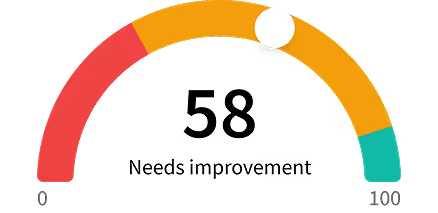
Don't guess if your resume is good enough.
See how it scores against the Critical Time Intervention (CTI) Team Lead posting at THRIVE Wellness and Recovery Inc — free, in seconds.
About the Role
Critical Time Intervention (CTI) is a care management service for adults with serious mental illness, focusing on supporting individuals during life transitions. This role oversees all aspects of CTI services, including staff supervision, program development, and collaboration with external agencies to ensure continuity of care and promote community tenure.
Responsibilities
- Complete all CTI, agency and state required trainings and ensure staff compliance.
- Maintain and adjust processes for communication, referrals, discharge planning, and client record access as defined in MOUs with partnering hospitals.
- Maintain and adjust agreements with other systems of care to ensure service continuity.
- Develop coordinated admission and transition plans with providers.
- Oversee CTI care coordination services to promote community tenure and manage client needs.
- Maintain and adjust the procedural manual according to OMH guidance and implement training.
- Collaborate with Senior Director of Community Operations on fiscal management, budget development, and spending monitoring.
- Approve service dollar requests within program guidelines.
- Maintain regular staff contact to promote agency philosophies.
- Facilitate weekly team meetings with clear procedures for program information, training, and policy review.
- Monitor and review electronic health record documentation for compliance.
- Oversee the development of quality individual service plans and client care protocols.
- Resolve personnel issues, complete staff evaluations, and manage time cards and attendance.
- Interview, hire, reward, and discipline staff in conjunction with the Senior Director of Community Operations.
- Participate in staff development and identify training needs.
- Review annual satisfaction surveys and progress towards goals with the Senior Director of Community Operations.
- Collect data and perform compliance and quality assurance activities as required.
- Complete reports and input data into reporting systems.
- Develop and implement corrective action plans.
- Ensure staff access to required CTI training and track additional best-practice trainings.
- Participate in OMH-sponsored CTI Learning Communities/Collaboratives.
- Attend state and regional meetings to review progress and develop best practices.
- Review caseloads, facilitate case conferences, and track client CTI phases.
- Develop safety protocols for staff and clients.
- Oversee all medically necessary CTI services.
- Review all discharge plans for transition from the CTI program.
- Function as a member of the multi-disciplinary team.
- Perform other related duties as assigned.
- Directly supervise 2-3 CTI care managers.
- Carry out supervisory responsibilities including interviewing, hiring, training, assigning work, appraising performance, and resolving problems.
Requirements
- Must be able to perform each essential duty satisfactorily.
- Must have 3-5 years post-licensure experience working with individuals with mental health or co-occurring mental health and substance use disorders.
- Must have a current valid license as a Physician, Physician Assistant, Nurse Practitioner of Psychiatry, Registered Nurse (RN), Psychologist, Social Worker (LCSW or LMSW under supervision), Mental Health Counselor, Marriage and Family Therapist, Psychoanalyst, or Creative Arts Therapist issued by NYSED.
- 1-2 years of supervisory experience is preferred.
Skills
- Planning
- Direction
- Coordination
- Oversight
- Supervision
- Team meetings
- Relationship management
- Case presentations
- Caseload management
- Model fidelity
- Staff productivity
- Staff wellness
- Documentation quality monitoring
- Resource list updates
- Phase date monitoring
- Fiscal management
- Budget development
- Profit and loss analysis
- Spending monitoring
- Service dollar approval
- Personnel issue resolution
- Staff evaluations
- Time card and attendance management
- Staff interviewing, hiring, rewarding, and discipline
- Staff development
- Training needs identification
- Satisfaction survey review
- Goal progress review
- Service improvement planning
- Data collection
- Compliance activities
- Quality assurance activities
- Reporting
- Corrective action plan development
- Training implementation
- Best-practice training implementation
- Trauma-informed care
- Individual engagement
- Cultural sensitivity
- Effective communication
- Motivational interviewing
- Harm reduction principles
- Case conferences
- Problem-solving treatment challenges
- Safety protocol development
- Person-Centered Planning
- Psychosocial Rehabilitation Services
- Crisis Prevention Services
- Health Services
- Care Coordination Services
- Discharge planning
Location
- Community
Work Type
- On-call responsibilities
- Full-time
Experience Level
- 3-5 years post-licensure experience
- 1-2 years supervisory experience preferred
Education Level
- Licensed Practitioner of the Healing Arts (LPHA)
About the Company
- Per OHM: Critical Time Intervention (CTI) is a care management service for adults with serious mental illness.
- This approach is used during a “critical time” of transition in their lives.
- CTI Teams coordinate the services and supports that help people return to their community.
- Services include outreach and engagement with people in care settings like inpatient hospitals and crisis units, as well as in the community.
- This program will serve up to 30 persons at a time.