Lead Design Technologist, Design Systems - Remote
CSAA Insurance Group, a AAA Insurer · AL, US
2 days agoImpress employers and recruiters.
Choose from hundreds of resume examples.
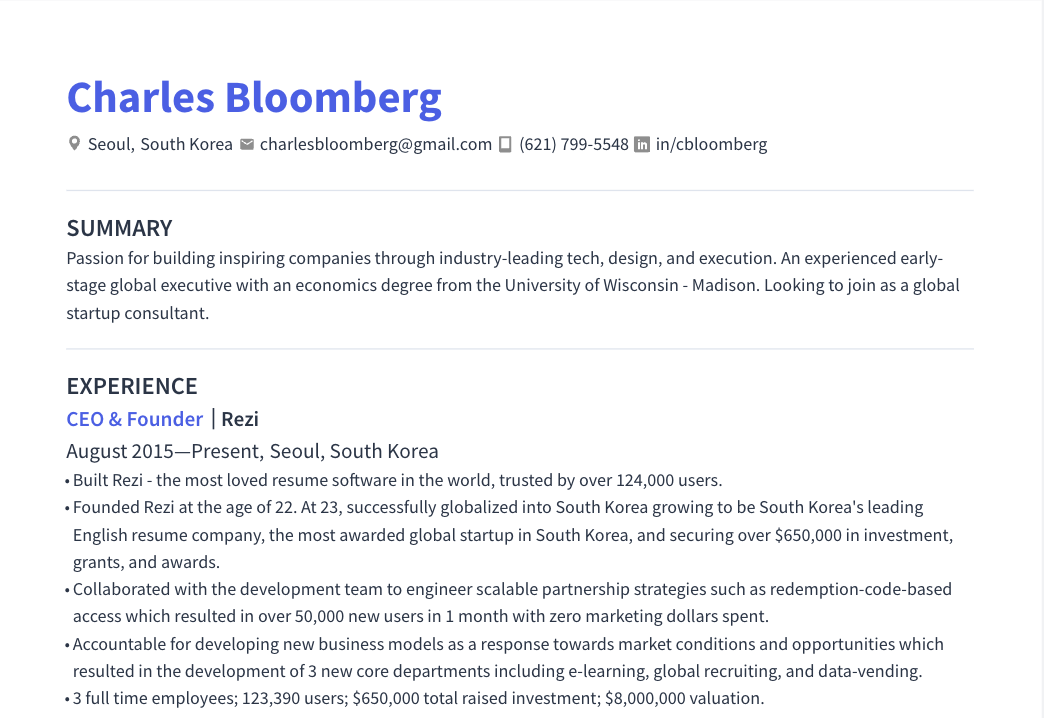
Impress employers and recruiters.
Choose from hundreds of resume examples.
Tailor your resume to this Lead Design Technologist, Design Systems - Remote role.
Rezi rewrites your resume against CSAA Insurance Group, a AAA Insurer's job description. Free.
Tailor your resume to this Lead Design Technologist, Design Systems - Remote role.
Rezi rewrites your resume against CSAA Insurance Group, a AAA Insurer's job description. Free.
Don't guess if your resume is good enough.
See how it scores against the Lead Design Technologist, Design Systems - Remote posting at CSAA Insurance Group, a AAA Insurer — free, in seconds.
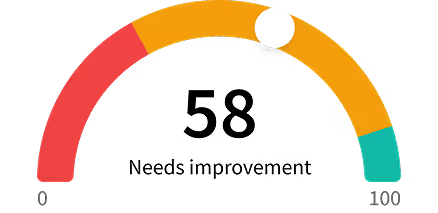
Don't guess if your resume is good enough.
See how it scores against the Lead Design Technologist, Design Systems - Remote posting at CSAA Insurance Group, a AAA Insurer — free, in seconds.
About the Role
The Lead Design Systems Technologist is a senior individual contributor responsible for building and evolving the technical foundation that enables consistent, high-quality digital and AI experiences across CSAA. This role translates UX standards, interaction patterns, and future-state system designs into scalable, reusable technical assets such as components, design tokens, APIs, shared packages, and implementation patterns that can be used by both development teams and AI-enabled systems.
Responsibilities
- Lead the Technical Structure of the Enterprise Design System
- Define and maintain the technical structure of the design system, including how components, tokens, patterns, shared packages, reusable capabilities, and reference implementations are organized and relate to one another.
- Partner with UX Design to translate approved patterns, templates, and design decisions into scalable structures in code, including component APIs, design tokens, shared packages, and implementation standards.
- Maintain the connection between design tooling and code so approved UX definitions can be implemented accurately and consistently in production.
- Define how design-system assets are structured, composed, governed, and versioned in code so they can be reused consistently across products and applications.
- Partner with UX and platform teams to resolve how CSAA's design standards and technical system assets translate into third-party platforms such as Pega and Guidewire, where CSAA does not control the underlying design system. Define what can be reused directly, what requires platform-specific implementation, and where documented extensions or exceptions are needed.
- Define clear ways to contribute, update, deprecate, and version shared system assets without disrupting the teams that depend on them.
- Set clear criteria for what should become a shared system asset versus what should remain specific to one product, platform, or solution.
- Extend the Design System to AI
- Define and maintain the technical design-system foundations needed for AI models and AI agents, including foundations, capabilities, interfaces & contracts, patterns, reference implementations, evaluation, and observability.
- Make system assets easy for both people and AI agents to discover and understand, with clear descriptions of what each asset does and when to use it.
- Define guardrails and governance for how teams use approved AI capabilities, in partnership with AI governance and the AI Council.
- Keep one coherent system across internal and customer-facing experiences, whether the end user is a person or an AI agent.
- Enable Design-to-Development Readiness
- Put the tooling and technical connections between design and code in place before development begins, including component connection tooling, design and component MCP servers, shared packages, and token distribution.
- Decide how tightly approved design definitions and code need to be connected for each component set rather than applying the same level of integration everywhere.
- Stay engaged during delivery to trace issues to the right source - the design definition, base component code, connection tooling, shared packages, tokens, or platform constraints.
- Help UX and engineering teams understand how design decisions flow into the technical system, and close gaps that lead teams to bypass shared assets or create avoidable rework.
- Make the system easier to adopt, including reducing the time it takes a new team to get from setup to first successful use.
- Partner with Engineering and Architecture on Realization
- Define the structure and technical requirements for shared system assets, then partner with Engineering to build and operate them and with Architecture to determine how they are integrated and placed within the enterprise technology ecosystem. This role is not expected to own the full production code lifecycle or enterprise architecture decisions.
- Work with Engineering and Architecture on feasibility, dependencies, sequencing, and estimates for system-level work.
- Clarify ownership across shared design-system assets, enterprise architecture, and production application code, and make those responsibilities explicit to partner teams.
- Build prototypes and proofs of concept when that is the fastest way to test a structural decision or reduce risk.
- Stay connected through delivery so the implementation reflects the approved UX intent, the design system's technical standards, and agreed enterprise architecture decisions.
- Drive Adoption and Self-Sufficiency
- Work across the team's engagement models - stewarded, consultative, and self-service - based on the complexity and needs of the work.
- Build the system, documentation, and tooling so more teams can use it independently over time, and treat that shift toward self-service as a key measure of success.
- Create documentation, examples, and enablement materials that teams can use without ongoing support from the central team.
- Track adoption, reuse, and duplication across teams, and use what the data shows to improve the system.
- Support questions from engineers and designers on how to use the system and implement feedback.
- Partner Across the Design System Ecosystem
- Serve as a cross-functional connector for the system: partner with UX, which owns the design language and experience patterns, to translate those decisions into shared system assets; Architecture on where those assets live and how they integrate across the enterprise ecosystem; CX and business partners on the pain points the system should address; Engineering on implementation; platform teams on vendor constraints; and AI governance on approved capabilities.
- Partner with the Workflow and Systems Design practice to translate future-state workflows into reusable technical foundations and identify recurring capabilities that should be solved once and reused.
- When reusable design or workflow patterns emerge from project work, partner with their owners to determine what should become a shared technical system asset.
- Communicate the system's constraints, structural decisions, and roadmap clearly to design, engineering, and architecture audiences.
- Contribute to the Practice
- Help mature CSAA's Enterprise Systems Design practice by contributing repeatable technical methods, standards, and implementation templates.
- Contribute to onboarding and domain materials that help new practitioners and partner teams ramp up faster.
- Stay current on how design systems are evolving, especially systems designed for AI and AI agent use, and bring relevant practices back into the team.
Requirements
- Bachelor's degree or equivalent practical experience.
- 8+ years of progressive experience in design systems, front-end engineering, design technology, or experience architecture, including technical ownership or stewardship of a design system implemented in code.
- Strong hands-on front-end engineering experience with a modern component framework, including component structure, composition, and API design.
- Experience implementing and governing design tokens, component libraries, and the technical expression of reusable UX patterns at enterprise scale.
- Practical experience with design-to-code workflows and the tools that connect design assets to production components.
- Working fluency with AI-assisted development tools and a practical understanding of how AI models use context, skills, and tool definitions.
- Ability to define the structure and technical direction of a shared system and partner effectively with Engineering and Architecture to bring it to life, rather than needing to build every part personally.
- Strong written communication skills, with the ability to create documentation and standards that teams can understand and use.
- Demonstrated ability to influence across design and engineering teams without formal authority.
- Comfort working through ambiguity, including in areas where the field and standards are still evolving.
- Ability to translate between design and engineering audiences, turning design intent into implementable system structures without losing important details in either direction.
- Degree in Computer Science, Human-Computer Interaction, Design Technology, or a related field.
- Relevant training or certification in front-end engineering, design systems, accessibility, or AI-related disciplines.
- Experience building or governing AI- and agent-facing capabilities such as skills, tool definitions, MCP servers, or governed context sources.
- Experience with evaluation and observability practices for AI systems.
- Experience in insurance, financial services, or another regulated industry.
- Experience supporting both employee-facing and customer-facing products or experiences.
- Experience adapting enterprise design-system standards to third-party or vendor-owned platforms where the underlying component system cannot be fully controlled.
- Experience creating adoption models, contribution models, or federated governance for a shared system.
- Experience coaching engineers or designers on how to adopt and use shared systems.
- Familiarity with accessibility standards and how they are expressed and enforced through component systems and code.
- Actively shapes our company culture (e.g., supporting employee resource groups, mentoring employees, volunteering, joining multi-functional projects)
- Champions our cultural norms (e.g., willing to have cameras when it matters: helping onboard new team members, building relationships, etc.)
- Demonstrates a company ownership approach, thinking beyond boundaries of their own area
- Travels as needed for role, including divisional / team meetings and other in-person meetings
- Fulfills business needs, which may include investing extra time, helping other teams, etc
- Please note we are hiring for this role remote anywhere in the United States with the following exceptions: Hawaii and Alaska.
- CSAA does not provide visa sponsorship for this role. Applicants must have authorization to work indefinitely in the US. Please do not apply for this role if at any time (now or in the future) you will need immigration support (i.e., H-1B, TN, STEM OPT Training Plans, etc.).
Skills
- Design Systems
- Front-end Engineering
- Design Technology
- Experience Architecture
- Component Frameworks
- Design Tokens
- Component Libraries
- Design-to-Code Workflows
- AI-assisted Development Tools
- Accessibility Standards
Location
- Arizona - Home Teleworkers
- Alabama - Home Teleworkers
- Arkansas - Home Teleworkers
- California - Home Teleworkers
- Colorado - Home Teleworkers
- Connecticut - Home Teleworkers
- Delaware - Home Teleworker
- District of Columbia - Home Teleworkers
- Florida - Home Teleworkers
- Georgia - Home Teleworkers
- Idaho - Home Teleworkers
- Illinois - Home Teleworkers
- Indiana - Home Teleworkers
- Iowa - Home Teleworkers
- Kansas - Home Teleworker
- Kentucky - Home Teleworkers
- Louisiana - Home Teleworkers
- Maine Home Teleworkers
- Maryland - Home Teleworkers
- Massachusetts - Home Teleworkers
- Michigan - Home Teleworkers
- Minnesota - Home Teleworkers
- Mississippi - Home Teleworker
- Missouri - Home Teleworker
- Montana - Home Teleworkers
- Remote (United States, excluding Hawaii and Alaska)
Work Type
- Remote
- Home Teleworkers
Experience Level
- Lead
- Senior
- 8+ years of progressive experience
Education Level
- Bachelor's degree or equivalent practical experience
- Degree in Computer Science, Human-Computer Interaction, Design Technology, or a related field
Salary/Compensations
- The national average salary range for this position is $152,010.00-$168,900.00.
- The starting pay range for this position across all the states we hire in is $152,010.00-$202,550.00.
- Colorado Specific Job Range :$152,010.00 - $185,450.00
- Opportunity for a company-wide annual discretionary bonus, through our Annual Incentive Plan (AIP), of up to 12% of eligible pay.
Benefits
- Total compensation package
- Annual bonus eligibility for most roles
- 401(k) with a company match
About the Company
- CSAA Insurance Group (CSAA IG), a AAA insurer, is one of the leading personal lines property and casualty insurance groups in the United States.
- We build innovative, human-centered solutions that help AAA members prevent, prepare for, and recover from life's uncertainties.
- You will join a collaborative, inclusive culture where your strengths have room to grow and your ideas can drive real impact.
- Step into a role where you can contribute to our shared success through meaningful work.
- At CSAA IG, we are a mission-driven organization proudly committed to empowering our members, our employees, and our communities to thrive.
- We believe in growth for everyone. Here at CSAA IG, leaders and mentors partner with employees to align interests, unlock development opportunities, and support long‑term success.
- We embrace a remote-first culture through our Flexible Workplace. Most employees hold Home-Flex roles, working primarily from home, often with the flexibility to work from various locations including CSAA offices. Our flexible workplace empowers you to balance remote work with intentional in‑person moments that deepen connection and collaboration.
- An inclusive and welcoming workplace is the cornerstone of our success. By fostering an environment where people feel valued and heard, we deepen our ability to understand and meet the unique needs of our members. This strengthens innovation and enhances our products and services, giving us a competitive edge in the market.
- As climate change leads to more frequent and severe weather events, we are taking bold action to build more resilient communities and reduce our environmental impact.
Equal Opportunity
- CSAA is committed to providing reasonable accommodations to qualified applicants and employees with disabilities or other limitations. If you would like to request an accommodation to participate in the job application or interview process, please contact TalentAcquisition@csaa.com
- CSAA Insurance Group is an equal opportunity employer.