Impress employers and recruiters.
Choose from hundreds of resume examples.
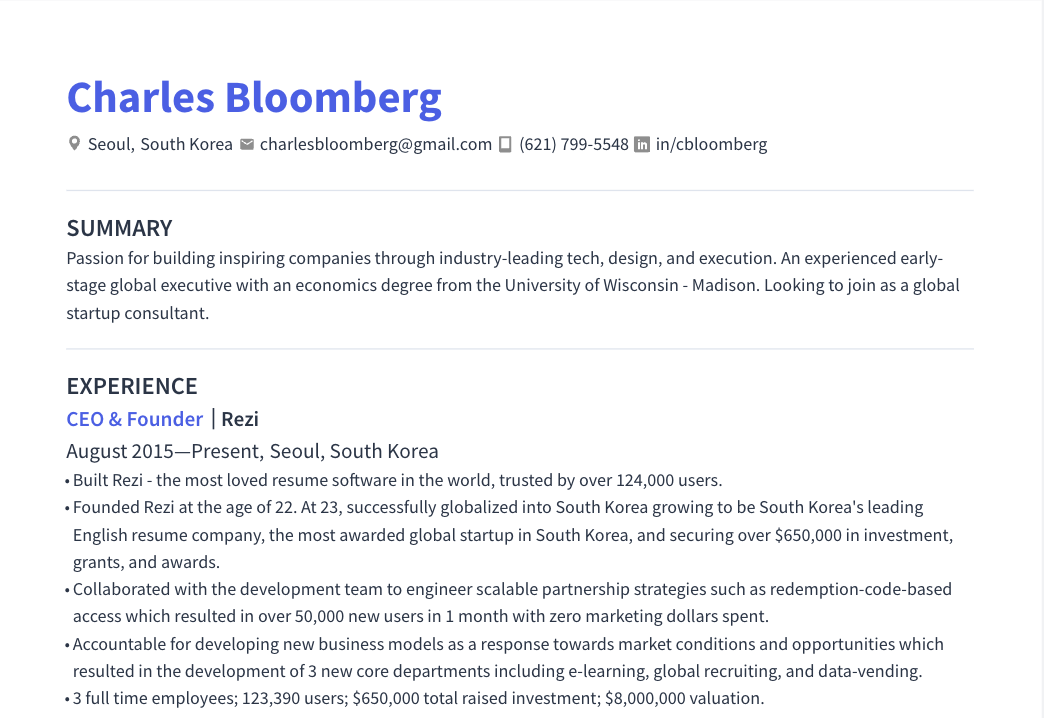
Impress employers and recruiters.
Choose from hundreds of resume examples.
Tailor your resume to this Reentry Hub Academic Career Counselor role.
Rezi rewrites your resume against YMCA OF YONKERS INC's job description. Free.
Tailor your resume to this Reentry Hub Academic Career Counselor role.
Rezi rewrites your resume against YMCA OF YONKERS INC's job description. Free.
Don't guess if your resume is good enough.
See how it scores against the Reentry Hub Academic Career Counselor posting at YMCA OF YONKERS INC — free, in seconds.
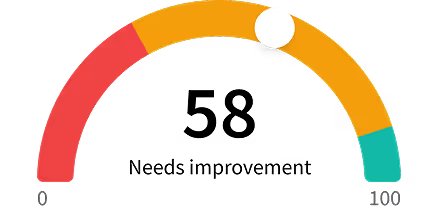
Don't guess if your resume is good enough.
See how it scores against the Reentry Hub Academic Career Counselor posting at YMCA OF YONKERS INC — free, in seconds.
About the Role
The Academic & Career Counselor provides individualized educational guidance, career development, workforce readiness, and employment support services through the YMCA of Yonkers Reentry & Healing Hub. This role is critical in helping justice-involved adults overcome barriers to education and employment, develop marketable skills, and establish pathways toward long-term economic stability and successful community reintegration. The position contributes to the YMCA's commitment to reducing recidivism, expanding economic opportunity, strengthening community safety, and helping justice-involved individuals build stable and productive lives.
Responsibilities
- Conduct individualized educational assessments to identify participants' academic backgrounds, learning needs, educational interests, strengths, and advancement goals.
- Collaborate with participants and program staff to develop educational goals within Individualized Service Plans (ISPs).
- Assist participants in accessing adult basic education, high school equivalency (HSE/GED) programs, literacy services, vocational education, certification programs, and postsecondary education opportunities.
- Provide guidance with educational applications, enrollment requirements, financial aid resources, and other necessary processes.
- Connect participants with tutoring, academic support services, digital literacy resources, and educational institutions.
- Monitor educational enrollment, participation, progress, and completion of established academic milestones.
- Help participants identify and address barriers to educational participation, persistence, and achievement.
- Conduct individualized career assessments to identify participants' employment histories, transferable skills, occupational interests, career goals, and workforce development needs.
- Develop individualized career advancement plans that establish realistic short-term and long-term employment objectives.
- Provide direct workforce readiness services, including resume development, job search strategies, interview preparation, workplace communication, professional conduct, and employment retention skills.
- Facilitate individual and group career development workshops addressing job readiness, career exploration, financial independence, and workplace expectations.
- Assist participants in identifying and accessing occupational training, industry-recognized credentials, apprenticeships, internships, and employment opportunities.
- Provide guidance on completing employment applications, navigating online job platforms, and using technology for career development.
- Support participants in addressing employment barriers related to justice-system involvement, limited work experience, educational gaps, and other challenges.
- Assist participants with job placement and provide appropriate follow-up support to promote employment retention and career advancement.
- Maintain an assigned caseload of participants receiving academic, career development, and workforce readiness services.
- Establish supportive professional relationships using trauma-informed, culturally responsive, and strengths-based approaches.
- Conduct regular participant meetings to review progress, identify emerging needs, and adjust academic and career development strategies.
- Coordinate with the Reentry & Behavioral Support Social Worker when behavioral, emotional, or other reentry-related challenges interfere with educational or employment progress.
- Work with the Program Coordinator to support participant engagement, scheduling, follow-up, referrals, and continuity of services.
- Participate in case conferences, multidisciplinary team meetings, and participant progress reviews to ensure coordinated service delivery.
- Promote participant self-determination, accountability, and sustained engagement in educational and workforce development activities.
- Document verified educational and workforce milestones that may support participant incentive eligibility.
- Establish and maintain relationships with local employers, workforce development agencies, educational institutions, vocational training providers, and community-based organizations.
- Identify employment opportunities and career pathways appropriate to participants' interests, qualifications, and readiness.
- Coordinate referrals to workforce training programs, educational services, employment assistance organizations, and other appropriate resources.
- Collaborate with community partners to facilitate job readiness workshops, career exploration activities, employer presentations, and recruitment opportunities.
- Support partnerships that expand access to employment and educational opportunities for individuals with justice-system involvement.
- Maintain communication with employers and training providers to support placement, participation, and retention.
- Identify gaps in educational and workforce development resources and recommend opportunities to strengthen the Hub's services.
- Assist the Program Manager in establishing academic and career counseling procedures, workforce readiness activities, referral pathways, and participant progress-tracking practices.
- Maintain accurate, timely, and confidential participant records, including assessments, goals, service contacts, referrals, attendance, placements, and progress documentation.
- Document service delivery and participant outcomes in accordance with YMCA policies, DCJS reporting requirements, and established program procedures.
- Track participant progress toward educational enrollment, training participation, credential attainment, employment placement, and other applicable workforce development milestones.
- Support achievement of approved program measures related to academic advancement, career development, workforce readiness, participant engagement, and individualized service-plan outcomes.
- Participate in continuous quality improvement activities, case reviews, program evaluations, and required staff training.
- Complete required DCJS training modules and maintain current knowledge of reentry services, workforce development practices, and available educational resources.
- Follow YMCA policies, professional boundaries, confidentiality requirements, ethical standards, and applicable DCJS contractual obligations.
- Participate in required staff meetings, training, quality improvement activities, and YMCA initiatives.
- Perform other related duties as assigned, consistent with the position's responsibilities.
Requirements
- Bachelor's degree in education, counseling, human services, social work, psychology, workforce development, or a related field preferred; an equivalent combination of education and relevant professional experience may be considered.
- Minimum two years of relevant professional experience in academic advising, career counseling, workforce development, employment services, case management, or related community-based services preferred.
- Experience working with justice-involved adults, individuals facing employment barriers, or populations experiencing significant educational and economic challenges strongly preferred.
- Knowledge of adult education, high school equivalency programs, vocational training, workforce readiness practices, and employment development resources.
- Experience providing individualized career guidance, facilitating workforce readiness workshops, and supporting educational or employment goal achievement preferred.
- Familiarity with criminal justice systems, community supervision, reentry programs, or alternatives-to-incarceration initiatives strongly preferred.
- Ability to establish relationships with employers, educational institutions, workforce development agencies, and community partners.
- Strong interpersonal communication, organizational, problem-solving, and documentation skills.
- Ability to maintain confidentiality, establish professional boundaries, and work effectively with individuals from diverse backgrounds.
- Proficiency in Microsoft Office and electronic case management or reporting systems.
- Ability to complete required program training and maintain current knowledge of educational and workforce development resources.
Skills
- Trauma-Informed and Culturally Responsive Practice
- Academic Advising and Career Development
- Workforce Readiness and Employment Support
- Participant-Centered Engagement and Individualized Planning
- Employer and Community Partnership Development
- Professional Ethics, Confidentiality and Boundaries
- Documentation, Data Quality and Accountability
- Collaboration, Communication and Problem Solving
- Bilingual English/Spanish skills preferred
Location
- YMCA - Yonkers, NY
Work Type
- Full Time
- 40 hours per week
Experience Level
- Minimum two years of relevant professional experience
Education Level
- 2 Year Degree
Salary/Compensations
- $50,000–$55,000 annually
- $24.04 - $26.44Hourly
Benefits
- health insurance
- paid time off
- retirement benefits
- professional development opportunities
About the Company
- At the Y, our work is rooted in three key areas: Achievement - Helping adults develop educational skills, explore career pathways, overcome employment barriers, and make meaningful progress toward academic and professional goals.
- Relationships - Building trusting, supportive connections with participants, employers, educational institutions, colleagues, and community partners that promote opportunity and long-term success.
- Belonging - Creating a safe, respectful, culturally responsive, and welcoming environment where every participant is treated with dignity and has opportunities to succeed.