Impress employers and recruiters.
Choose from hundreds of resume examples.

Impress employers and recruiters.
Choose from hundreds of resume examples.
Tailor your resume to this AUSTIN - Junior Electrical Power Engineer role.
Rezi rewrites your resume against BGE Inc. Campus Recruiting's job description. Free.
Tailor your resume to this AUSTIN - Junior Electrical Power Engineer role.
Rezi rewrites your resume against BGE Inc. Campus Recruiting's job description. Free.
Don't guess if your resume is good enough.
See how it scores against the AUSTIN - Junior Electrical Power Engineer posting at BGE Inc. Campus Recruiting — free, in seconds.
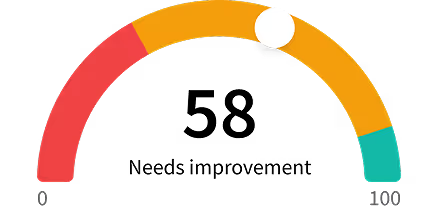
Don't guess if your resume is good enough.
See how it scores against the AUSTIN - Junior Electrical Power Engineer posting at BGE Inc. Campus Recruiting — free, in seconds.
About the Role
The Junior Electrical Power Engineer is an entry-level engineer supporting the delivery of electrical engineering solutions for the energy services sector. This role assists on power-focused projects involving utility infrastructure, power distribution, renewable energy, grid interconnection, substations, backup power, and low- and medium-voltage systems. The engineer works under senior staff direction, prepares calculations and drawings, supports project teams, and builds knowledge through mentorship and training to deliver safe, reliable, efficient, and cost-effective energy solutions.
Responsibilities
- Assist with electrical engineering design and production of deliverables for energy services projects, including utility infrastructure, power distribution, renewable energy, energy storage, backup power, and site electrical systems.
- Prepare low- and medium-voltage design documents, including single-line diagrams, load calculations, equipment sizing, grounding, lighting, raceway, feeder, and distribution layouts.
- Support power system studies, including short circuit, load flow, arc flash, protective device coordination, feasibility, interconnection, and life cycle cost analyses.
- Learn and apply utility coordination and grid interconnection requirements, and gather information needed for service entrance design, substation or switchgear interfaces, and applicable owner or utility standards.
- Draft technical reports, calculations, specifications, cost estimate backup, feasibility study content, equipment selections, construction documents, and other project deliverables.
- Perform self-checks on assigned work, assist with quality control reviews, and help verify that deliverables follow applicable codes, standards, client requirements, and project scope.
- Help resolve routine design and construction-phase issues, draft responses to RFIs, review submittals for conformance with the design, and escalate unusual or complex items.
- Communicate with internal project teams, vendors, and contractors on assigned tasks, and participate in client, utility, and agency meetings.
- Build technical knowledge through mentorship, formal training, self-learning, and hands-on project work, ask questions when direction is unclear, and share lessons learned with peers.
- Support business development and proposal efforts by compiling background information, past project data, figures, and exhibits.
- Contribute ideas for continuous improvement of design standards, workflows, tools, templates, checklists, and quality practices.
Requirements
- Bachelor’s degree in Electrical Engineering from an accredited university required.
- Must have passed or be eligible to sit for the FE exam by the time of graduation.
- 0 to 2 years of electrical engineering experience.
- Internships, co-ops, undergraduate research, or capstone work related to energy services, power systems, utility infrastructure, renewable energy, industrial power, or engineering consulting preferred.
- Coursework-level knowledge of power distribution, low- and medium-voltage systems, grounding, backup power, lighting, equipment specifications, and electrical infrastructure design.
- Exposure to renewable energy, battery energy storage systems, distributed energy resources, substations, switchgear, grid interconnection, or utility coordination through coursework, internships, or student projects favored.
- Awareness of applicable codes and standards, including NEC/NFPA, IEEE, ANSI, IEC, and relevant utility requirements, with a willingness to learn to apply them under supervision.
- Exposure to power system studies such as short circuit, arc flash, load flow, protective device coordination, and interconnection studies through coursework or internships preferred.
- Familiarity with electrical design and analysis tools such as Autodesk Revit, AutoCAD, SKM, ETAP, EasyPower, MATLAB, or similar platforms preferred.
- Demonstrated ability to follow technical direction, organize assigned work, manage deadlines on multiple tasks, and communicate clearly in writing and in person with team members and project stakeholders.
- Strong analytical, problem-solving, attention to detail, organizational, and interpersonal communication skills, with a commitment to accuracy and to learning quickly.
Skills
- Electrical Engineering
- Power Systems
- Utility Infrastructure
- Power Distribution
- Renewable Energy
- Grid Interconnection
- Substations
- Backup Power
- Low- and Medium-Voltage Systems
- Autodesk Revit
- AutoCAD
- SKM
- ETAP
- EasyPower
- MATLAB
- NEC/NFPA
- IEEE
- ANSI
- IEC
- Short Circuit Analysis
- Load Flow Analysis
- Arc Flash Analysis
- Protective Device Coordination
- Feasibility Studies
- Life Cycle Cost Analysis
- Technical Writing
- Communication Skills
- Problem-Solving
- Attention to Detail
- Organization
- Interpersonal Communication
Experience Level
- Entry Level
- 0 to 2 years
Education Level
- Bachelor’s degree in Electrical Engineering