Impress employers and recruiters.
Choose from hundreds of resume examples.
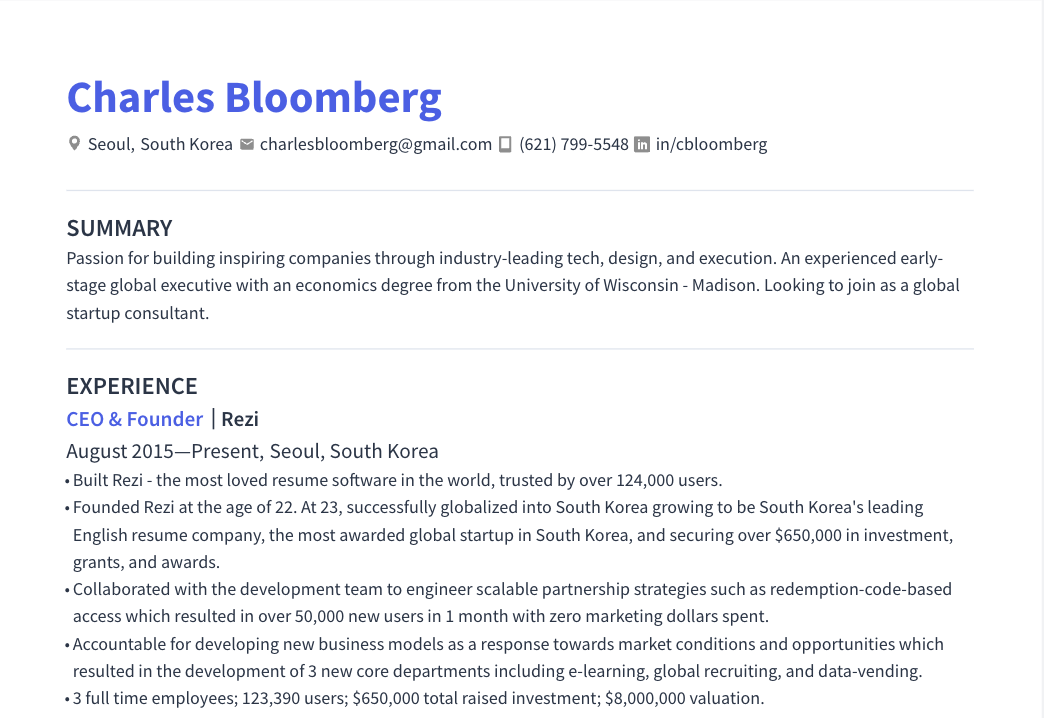
Impress employers and recruiters.
Choose from hundreds of resume examples.
Tailor your resume to this M&A Digital Channel Business Analyst role.
Rezi rewrites your resume against Wilmington Trust's job description. Free.
Tailor your resume to this M&A Digital Channel Business Analyst role.
Rezi rewrites your resume against Wilmington Trust's job description. Free.
Don't guess if your resume is good enough.
See how it scores against the M&A Digital Channel Business Analyst posting at Wilmington Trust — free, in seconds.
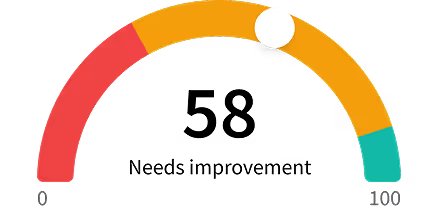
Don't guess if your resume is good enough.
See how it scores against the M&A Digital Channel Business Analyst posting at Wilmington Trust — free, in seconds.
About the Role
Support the evolution of Wilmington Trust’s Mergers & Acquisitions (M&A) deal administration capabilities and associated IS suite of tools. This role will help shape M&A capabilities, support product vision and roadmap execution, maintain backlog hygiene, document requirements, and measure enhancement outcomes.
Responsibilities
- Elicit and document product requirements from key stakeholders
- Document existing business processes via interviews and observation
- Document screen flows and user journeys
- Support review of wireframes, prototypes, and proposed screen flows
- Translate user experience feedback into updated requirements
- Define and track success metrics for new features and enhancements
- Support User Acceptance Testing (UAT)
- Facilitate issue triage
- Document feature traceability from requirements through test scripts and delivered functionality
- Collaborate with product, technology, operations, and business stakeholders to clarify scope, dependencies, and delivery needs
- Document user stories and acceptance criteria
- Document data/interface requirements
- Develop thorough functional test scripts for new features and feature enhancements
- Advocate for end users by supporting solution validation and gathering feedback
- Identify risk, control, compliance, and operational considerations during discovery and requirements definition
- Partner with product, operations, risk, and compliance stakeholders to ensure requirements support appropriate controls
- Support delivery of solutions that balance client experience, business value, operational efficiency, and risk management
Requirements
- Combined minimum of 5 years' higher education and/or business, technology, or a related field experience
- Business analyst experience supporting digital products, platforms, or technology-enabled business processes
- Strong analytical and problem-solving skills
- Strong written and verbal communication skills
- Strong attention to detail and organizational discipline
- Ability to work effectively in ambiguous, fast-paced, or evolving environments
- Client-centric mindset
Skills
- Analytical skills
- Problem-solving skills
- Written communication skills
- Verbal communication skills
- Attention to detail
- Organizational discipline
- Ability to work in ambiguous environments
- Client-centric mindset
- UI/UX discovery
- Screen flows
- Requirements documentation
- Delivery support
- Digital experience user measurement and metrics
- Business process modeling tools (e.g., Lucidchart, Visio)
- Digital security and access management concepts
- M&A knowledge
- Agile delivery
- Jira
- Confluence
Location
- Wilmington, Delaware, United States of America
Work Type
- Hybrid
- Remote
Experience Level
- Minimum 5 years combined higher education and/or business, technology, or related field experience
Education Level
- Bachelor's degree or equivalent experience in business, technology, or a related field preferred
Salary/Compensations
- $78,700.00 - $131,100.00 Annual (USD)
About the Company
- Wilmington Trust’s Institutional Services (IS) division is experiencing rapid business growth and has initiated a strategic digital transformation program.
- The program aims to grow revenue through new and transformed digital-first trust and agency service products, transition from a product-centric to a client-centric operating model, expand from market-specific to global solutions, and materially lower the cost to serve.