Impress employers and recruiters.
Choose from hundreds of resume examples.
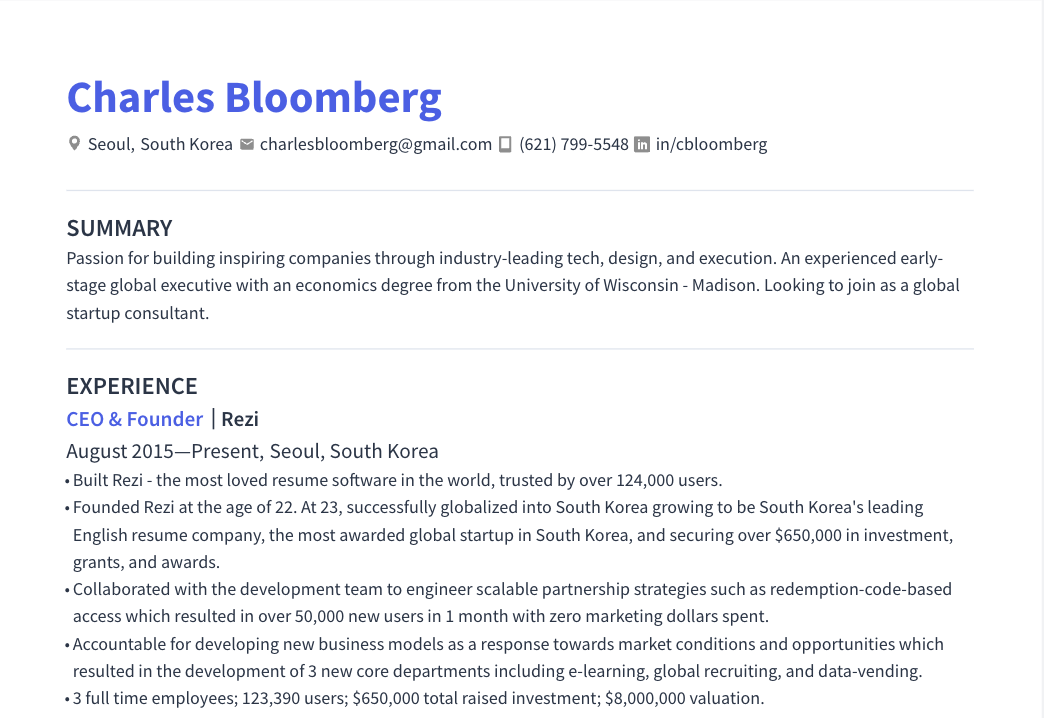
Impress employers and recruiters.
Choose from hundreds of resume examples.
Tailor your resume to this Optical Design / Camera Systems Engineer role.
Rezi rewrites your resume against Level Zero Health's job description. Free.
Tailor your resume to this Optical Design / Camera Systems Engineer role.
Rezi rewrites your resume against Level Zero Health's job description. Free.
Don't guess if your resume is good enough.
See how it scores against the Optical Design / Camera Systems Engineer posting at Level Zero Health — free, in seconds.
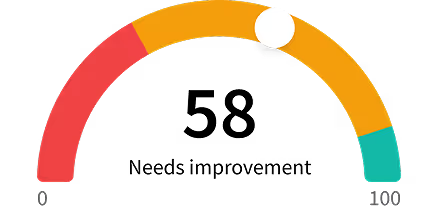
Don't guess if your resume is good enough.
See how it scores against the Optical Design / Camera Systems Engineer posting at Level Zero Health — free, in seconds.
About the Role
Level Zero is seeking an Optical Design / Camera Systems Engineer to design, prototype, and industrialize the optical sensing and imaging systems for their wearable medical devices. This role involves taking optical concepts from simulation through manufacturing, delivering miniaturized camera, illumination, and detection systems for accurate measurements in a compact device. It's a hands-on position at the intersection of optical design, imaging, optomechanics, and medical product development.
Responsibilities
- Own the design and development of optical and camera subsystems, including image sensors, lenses, illumination sources, filters, and light guides.
- Design compact, highly integrated optical systems that fit within tight size, power, and thermal constraints.
- Model and simulate optical systems using ray-tracing and optical design tools.
- Specify, select, and qualify camera modules, image sensors, LEDs, photodetectors, and optical components.
- Design optomechanical assemblies, including lens mounts, alignment features, and moulded optics.
- Define image quality and optical performance requirements linked to the underlying biosensing measurement.
- Develop calibration methods, alignment processes, and optical test fixtures for development and production.
- Develop, refine, and execute verification test methods to evaluate optical performance and reliability.
- Plan and conduct engineering testing, analyze results, and iterate designs based on data.
- Work with software and data teams to define image acquisition, processing, and analysis pipelines.
- Lead optical investigations, identify root causes of failures, and implement effective design improvements.
- Apply human-centred design practices, ensuring optical performance remains robust across real-world use, users, and wear conditions.
- Work closely with external suppliers, camera module manufacturers, and optical component vendors to develop production-ready designs.
- Create detailed design specifications, engineering requirements, and optical architecture documentation.
- Balance optical performance, size, power, usability, reliability, manufacturability, and cost throughout the design process.
- Contribute to early-stage R&D, collaborating with engineering leadership and the science team to define and refine future sensing and design iterations.
Requirements
- Master's degree or PhD with 3+ years of industry experience in optics, photonics, physics, optical engineering, electrical engineering, or a related discipline.
- Experience developing optical or camera systems for medical devices, wearables, consumer electronics, or other compact products.
- Experience designing miniaturized optical systems or integrating compact camera modules.
- Strong proficiency with optical design and simulation tools (e.g., Zemax OpticStudio, Code V, LightTools, Ansys Speos, or similar).
- Solid understanding of image sensors, camera architectures, and imaging performance metrics (MTF, SNR, distortion, dynamic range).
- Experience with illumination design, including LED selection, light guides, diffusers, and optical filters.
- Experience performing optical tolerance analysis and designing for manufacturability and alignment.
- Experience designing or specifying optomechanical assemblies, with an understanding of engineering drawings and GD&T.
- Experience creating and refining optical test methods, calibration procedures, and verification plans.
- Experience working with external suppliers, camera module manufacturers, and optical component vendors.
- Proficiency in Python or MATLAB for data analysis, image analysis, and test automation.
- Experience with DFMEA and structured engineering risk management.
- Proven ability to troubleshoot optical and imaging problems using structured root cause analysis.
- Experience creating engineering documentation including design specifications and product requirements.
- Strong communication skills and ability to work within multidisciplinary engineering teams.
- Comfortable taking ownership of significant subsystems while working with appropriate technical guidance.
- Experience with optical biosensing techniques, such as fluorescence, colorimetric, absorbance, or reflectance-based detection.
- Experience with point-of-care diagnostics or lateral flow readers.
- Experience designing wearable medical devices.
- Knowledge of ISO 13485, ISO 14971, IEC 60601, or IEC 62471 (photobiological safety).
- Experience with verification and validation (V&V) testing.
- Experience with moulded polymer optics or wafer-level optics.
- Experience with image processing, computer vision, or machine learning for image analysis.
- Experience with active alignment and camera module production processes.
- Familiarity with Design of Experiments (DOE) and statistical data analysis.
- Experience supporting pilot builds, manufacturing scale-up, and production transfer.
- Prior work in a start-up or small company environment.
- Prior work in medical device development.
Skills
- Optical Design
- Camera Systems Engineering
- Image Sensors
- Lenses
- Illumination Sources
- Filters
- Light Guides
- Ray-tracing
- Optical Design Tools
- Zemax OpticStudio
- Code V
- LightTools
- Ansys Speos
- Image Sensors
- Camera Architectures
- MTF
- SNR
- Distortion
- Dynamic Range
- Illumination Design
- LED Selection
- Light Guides
- Diffusers
- Optical Filters
- Optical Tolerance Analysis
- Design for Manufacturability
- Alignment
- Optomechanical Assemblies
- Engineering Drawings
- GD&T
- Optical Test Methods
- Calibration Procedures
- Verification Plans
- Python
- MATLAB
- Data Analysis
- Image Analysis
- Test Automation
- DFMEA
- Risk Management
- Root Cause Analysis
- Design Specifications
- Product Requirements
- Communication Skills
- Multidisciplinary Teamwork
- Optical Biosensing
- Fluorescence
- Colorimetric Detection
- Absorbance Detection
- Reflectance Detection
- Point-of-Care Diagnostics
- Lateral Flow Readers
- Wearable Medical Devices
- ISO 13485
- ISO 14971
- IEC 60601
- IEC 62471
- Verification and Validation (V&V)
- Moulded Polymer Optics
- Wafer-Level Optics
- Image Processing
- Computer Vision
- Machine Learning
- Active Alignment
- Camera Module Production
- Design of Experiments (DOE)
- Statistical Data Analysis
- Manufacturing Scale-up
- Production Transfer
- Startup Environment
- Medical Device Development
Work Type
- Full-time
Experience Level
- 3+ years of industry experience
Education Level
- Master's degree or PhD
Benefits
- Competitive salary
- Equity options
- Collaboration with founding team
- Access to industry experts and thought leaders
- Opportunities for leadership
- Career advancement
- Exploration opportunities
- Travel to New York and other potential sites for R&D purposes
- Working on cutting-edge technology
- Shaping strategic decisions
- Driving innovation at an early-stage venture
About the Company
- Level Zero is pioneering next-generation biosensor technology for precise, real-time monitoring of critical endocrine biomarkers.
- Recognized as one of the top 20 startups worldwide at TechCrunch Disrupt 2024.
- Backed by top-tier organizations like SOSV and Entrepreneur First.
- Pushing the boundaries of biochemistry and nanotechnology to revolutionize personalized health.
- Founded by two seasoned engineers with extensive experience in R&D, technical innovation, and commercial strategy.
- Mission: To revolutionize health management by delivering clinical-grade data directly to individuals.
- Assembling the best team to turn cutting-edge science into life-changing, real-world solutions.