Impress employers and recruiters.
Choose from hundreds of resume examples.
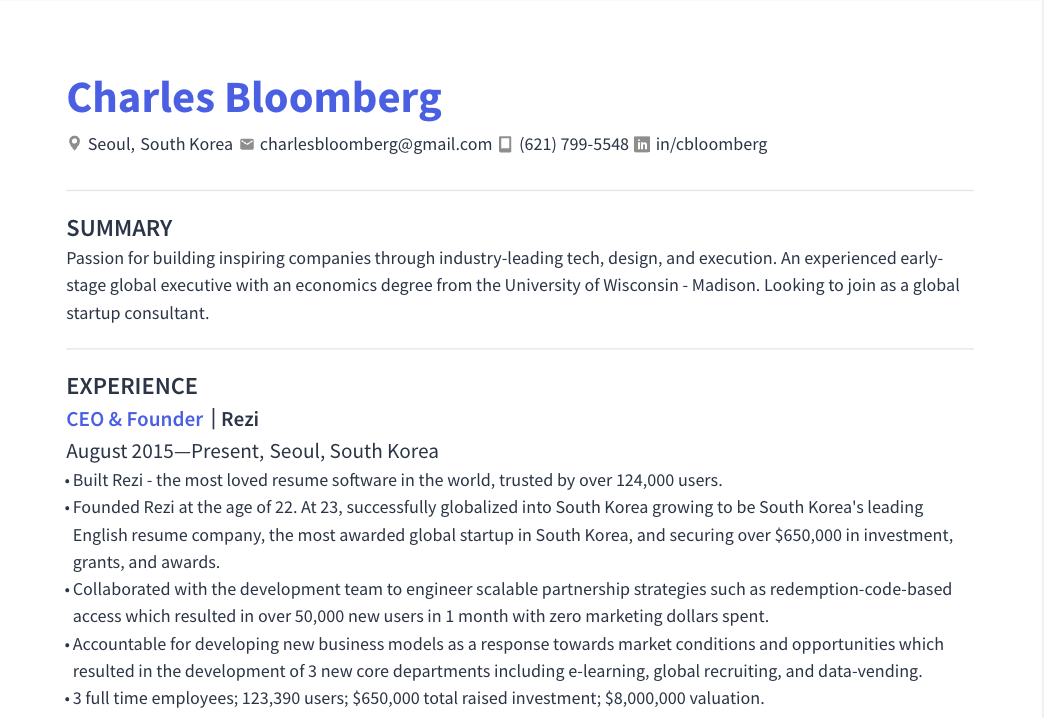
Impress employers and recruiters.
Choose from hundreds of resume examples.
Tailor your resume to this Principal Engineer - Integration Services role.
Rezi rewrites your resume against Financial Times's job description. Free.
Tailor your resume to this Principal Engineer - Integration Services role.
Rezi rewrites your resume against Financial Times's job description. Free.
Don't guess if your resume is good enough.
See how it scores against the Principal Engineer - Integration Services posting at Financial Times — free, in seconds.
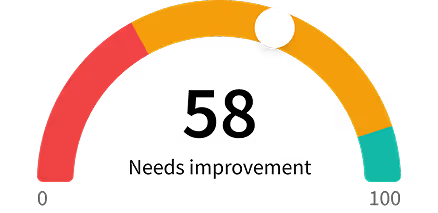
Don't guess if your resume is good enough.
See how it scores against the Principal Engineer - Integration Services posting at Financial Times — free, in seconds.
About the Role
The Principal Engineer – Integration Services will establish and lead the Integration Services capability across Internal Products. This role owns the technical direction, engineering capability, people leadership, delivery, and operational performance of shared integration and engineering services, crucial for the FT's evolving enterprise technology landscape and transformation programs.
Responsibilities
- Defining the technical direction for integration services across Internal Products.
- Establishing principles, standards, and reusable patterns for enterprise integration.
- Developing a clear strategy for shared integration capabilities, balancing centralisation, reuse, and domain autonomy.
- Identifying opportunities to simplify integration architecture, reduce duplication, and improve interoperability.
- Providing technical leadership on significant integration decisions spanning multiple platforms, teams, and domains.
- Ensuring integration approaches consider security, resilience, scalability, observability, operability, and long-term maintainability.
- Working with Architecture and senior engineering leaders to align integration direction with wider FT technology strategy.
- Establishing a clear view of the integration landscape, including major interfaces, dependencies, ownership, and technical risks.
- Defining and building reusable integration services and engineering capabilities that solve common problems across Internal Products.
- Establishing clear ownership for shared services and ensuring they have sustainable operational and engineering models.
- Ensuring shared capabilities provide genuine value to consuming teams rather than becoming additional layers of complexity.
- Setting appropriate expectations for reliability, performance, scalability, security, and service availability.
- Establishing effective lifecycle management for shared platforms and services.
- Identifying opportunities for standardisation, consolidation, and reuse.
- Ensuring teams have clear guidance on when to use shared services and when to build capability within their own domains.
- Establishing and evolving quality engineering capabilities that improve the reliability and confidence of software delivery across Internal Products.
- Promoting consistent engineering practices around testing, automation, CI/CD, and quality assurance where appropriate.
- Identifying recurring quality problems across teams and developing reusable approaches to address them.
- Working with engineering leaders to improve automated testing, release confidence, and software quality.
- Encouraging engineering teams to treat quality as part of engineering ownership rather than a separate activity.
- Using metrics, operational insight, and engineering feedback to identify opportunities for continuous improvement.
- Providing senior engineering leadership to major transformation programmes, including the Commercial Technology Programme.
- Working across programme teams to establish coherent integration strategies across multiple platforms and workstreams.
- Challenging programme-specific solutions where they create unnecessary duplication, complexity, or long-term dependency.
- Ensuring integration decisions made during transformation can be sustainably operated and evolved after programme delivery ends.
- Supporting technology and vendor evaluations where integration architecture is a material consideration.
- Helping programmes distinguish between capabilities that should be delivered as reusable Internal Products services and those that are specific to an individual initiative.
- Leading and developing the engineers within Integration Services.
- Establishing a high-performing team with clear responsibilities, strong engineering standards, and appropriate technical ownership.
- Coaching senior engineers and developing technical leadership capability within the team.
- Building an environment that encourages collaboration, constructive technical challenge, and knowledge sharing.
- Recruiting and developing the specialist skills required to build a sustainable integration capability.
- Creating succession and reducing key-person dependency across critical integration knowledge.
- Establishing clear expectations for engineering quality, operational performance, and delivery.
- Building strong relationships with engineering leaders across Internal Products so the shared capability is embedded rather than operating as a separate silo.
- Establishing a roadmap for the development and evolution of shared integration services.
- Prioritising investment across reusable capabilities, programme commitments, operational work, and technical improvement.
- Working with Product and engineering leaders to understand demand for shared services and translate this into realistic delivery plans.
- Managing capacity and ensuring the team can support both strategic initiatives and ongoing operational responsibilities.
- Identifying dependencies and delivery risks across consuming teams and programmes.
- Providing clear visibility of progress, risks, trade-offs, and technical constraints.
- Owning the operational performance of shared integration services.
- Establishing appropriate approaches to monitoring, observability, incident management, problem management, and operational readiness.
- Ensuring critical integrations have clear ownership, appropriate resilience, and effective recovery mechanisms.
- Leading the response to significant incidents affecting shared services and coordinating resolution across dependent teams.
- Using operational data and incident learning to identify systemic improvements.
- Ensuring operational responsibilities are sustainable and do not depend disproportionately on individual engineers.
- Building strong working relationships with Principal Engineers, Engineering Managers, architects, and senior engineers across Internal Products.
- Establishing effective mechanisms for teams to engage with Integration Services early in the lifecycle of significant initiatives.
- Helping teams understand integration trade-offs and select appropriate patterns and capabilities.
- Coordinating decisions where integration ownership crosses domain boundaries.
- Encouraging reuse and consistency without imposing unnecessary central control.
- Representing Integration Services in relevant architecture, engineering, and technology forums across the FT.
- Providing technical leadership in relationships with integration technology vendors and implementation partners.
- Challenging vendor-led solutions where they conflict with long-term FT engineering direction or create unnecessary dependency.
- Ensuring external partners complement rather than replace internal engineering capability.
- Contributing to technology evaluation, procurement, and platform selection decisions.
- Ensuring partner-delivered work meets FT engineering, security, quality, and operational expectations.
Requirements
- Significant experience in a Principal Engineer, senior engineering leadership, or comparable technical leadership role.
- Strong experience designing, building, and operating enterprise integration capabilities at scale.
- Deep understanding of integration architecture, APIs, event-driven systems, messaging, data flows, and distributed systems.
- Experience establishing reusable engineering services or shared platform capabilities across multiple teams.
- Experience defining technical standards, engineering patterns, or platform strategies across organisational boundaries.
- Experience leading significant transformation programmes involving multiple platforms, teams, and integrations.
- Strong understanding of cloud technologies and modern engineering practices, preferably AWS.
- Experience with enterprise SaaS ecosystems and integrating them with internally developed applications.
- Experience leading and developing senior engineers and technical specialists.
- Experience establishing new teams, capabilities, or operating models would be highly advantageous.
- Strong experience influencing teams and senior stakeholders without relying solely on formal authority.
- Experience identifying and addressing duplicated capabilities, technical debt, and fragmented ownership across complex technology estates.
- Strong understanding of reliability, observability, security, and operational excellence.
- Experience working with vendors and implementation partners while maintaining clear internal technical ownership.
- Ability to communicate complex technical concepts and trade-offs clearly to both technical and non-technical audiences.
- Experience balancing strategic technical direction with practical delivery realities.
Skills
- Enterprise integration
- Shared engineering services
- Platform capabilities
- API design
- Event-driven systems
- Messaging
- Data flows
- Distributed systems
- Cloud technologies (AWS preferred)
- Enterprise SaaS integration
- Quality engineering
- Test automation
- CI/CD
- Engineering productivity
- Reliability
- Observability
- Security
- Operational excellence
- Vendor management
- Technical leadership
- People leadership
- Strategic planning
- Pragmatism
- Collaboration
- Curiosity
- Coaching
- Mentoring
- Communication
Location
- Remote
- Hybrid
Work Type
- Hybrid
- Full-time
Experience Level
- Principal Engineer
- Senior engineering leader
Benefits
- Generous annual leave
- Medical cover
- Inclusive parental leave packages
- Subsidised gym memberships
- Opportunities to give back to the community
About the Company
- The Financial Times is one of the world’s leading news organisations, globally recognised for its authority, integrity and accuracy, with a mission to deliver quality information and services worldwide.
- At the FT, curiosity thrives and ambitious thinking is rewarded. Together, we help audiences stay better informed and deepen their understanding of the world around them.
- Our Product & Tech teams drive us forward in an ever-evolving digital landscape, delivering cutting-edge products to over one million digital subscribers daily. Our growth relies on a diverse, dedicated and dynamic group of product, tech, delivery and data specialists.
- With a supportive culture, entrepreneurial spirit and opportunities at every turn, there are no limits to where your FT career can take you.
- Build a newsworthy career at the FT.
Equal Opportunity
- We believe in the power of unique perspectives and want all voices in our organisation to be heard, respected and valued. A supportive workplace is one where employees feel they can be themselves and operate to their full potential. We are committed to removing barriers for everyone, with a focus on addressing those faced by underrepresented groups.
- We are a disability confident employer and Valuable 500 signatory.