Impress employers and recruiters.
Choose from hundreds of resume examples.
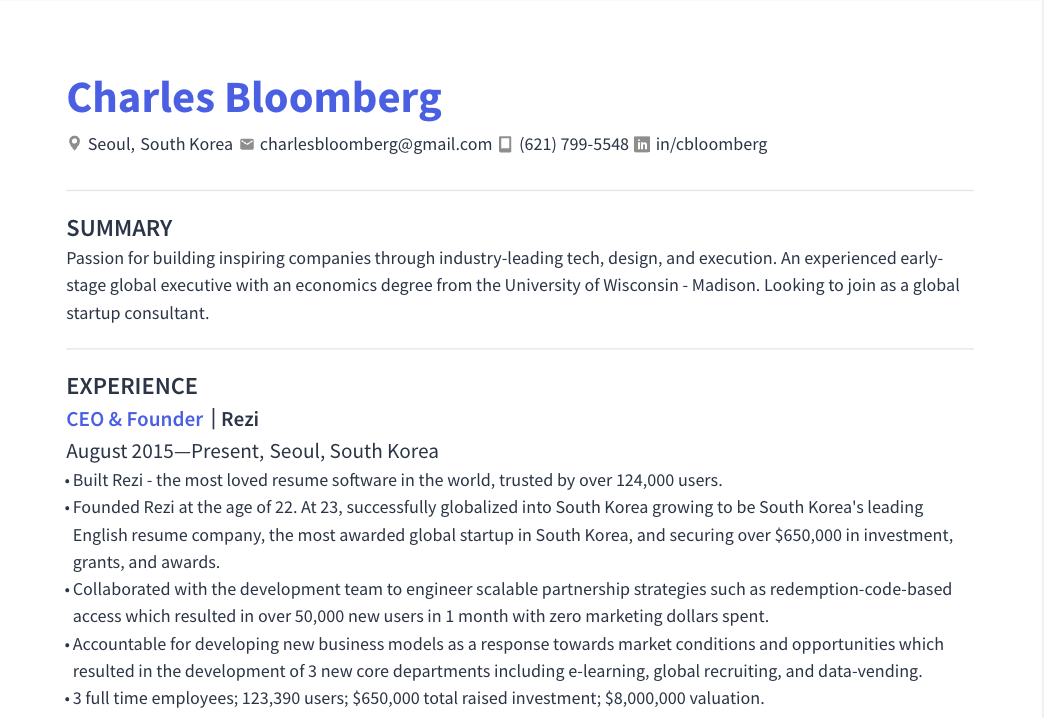
Impress employers and recruiters.
Choose from hundreds of resume examples.
Tailor your resume to this Data Engineer role.
Rezi rewrites your resume against TDIndustries's job description. Free.
Tailor your resume to this Data Engineer role.
Rezi rewrites your resume against TDIndustries's job description. Free.
Don't guess if your resume is good enough.
See how it scores against the Data Engineer posting at TDIndustries — free, in seconds.
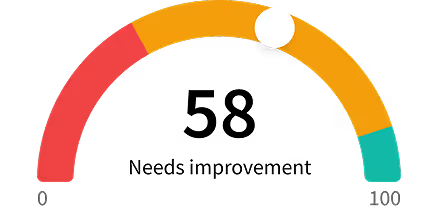
Don't guess if your resume is good enough.
See how it scores against the Data Engineer posting at TDIndustries — free, in seconds.
About the Role
The Data Engineer is a hands-on technical role focused on building the data platform, including data pipelines, lakehouse architecture, and data products. This role requires deep expertise in Snowflake, Microsoft Fabric, and dbt to design and deliver performant, well-governed data products. The ideal candidate will translate architecture into production, write maintainable code, and build frameworks to improve team efficiency. This Mid-Senior Individual Contributor role works closely with architects and product managers, offering growth potential into a technical lead position.
Responsibilities
- Design, build, and maintain production-grade data pipelines for ingestion, transformation, and delivery across the medallion architecture on Snowflake and Microsoft Fabric.
- Implement ELT/ETL patterns using dbt, writing modular, tested, and documented models.
- Develop and maintain data pipelines for batch, micro-batch, and streaming ingestion from enterprise source systems.
- Translate solution architectures into engineered, production-ready implementations.
- Own pipeline reliability, including monitoring, alerting, and proactive remediation.
- Build and maintain data models within the lakehouse platform using appropriate patterns.
- Implement and enforce medallion architecture standards.
- Develop reusable data assets serving multiple consumers without duplication.
- Contribute to data product design, providing engineering input on schema, SLAs, lineage, and consumption interfaces.
- Build and maintain reusable engineering frameworks, templates, and patterns for pipeline design, dbt projects, testing, and deployment.
- Define and enforce data engineering best practices, including code review, branching, testing, documentation, and deployment.
- Establish and maintain data quality tests within dbt and the pipeline stack.
- Contribute to architecture decision records (ADRs) and technical documentation.
- Build and maintain data pipelines supporting AI and ML workloads, including feature engineering and RAG architectures.
- Stay current with the intersection of data engineering and AI-driven platforms.
- Evaluate emerging tools and patterns in the data-driven AI landscape.
- Guide and upskill team members on Snowflake-based data engineering.
- Actively participate in design and code reviews, providing constructive feedback.
- Contribute to hiring and technical assessment as the data engineering team scales.
- Model engineering habits for the team, such as clean code, testing, documentation, and continuous improvement.
Requirements
- 8-10 years of hands-on data engineering experience with demonstrated depth in Snowflake and modern ELT/ETL practices.
- Production-grade dbt experience, including building and maintaining dbt projects in enterprise environments.
- Demonstrated experience building data products on a lakehouse architecture, applying medallion architecture patterns at production scale.
- Proven track record of building reusable engineering frameworks, pipeline templates, or standards that improved team delivery speed and consistency.
- Experience working in environments with multiple enterprise source systems (ERP, CRM, HCM, or field operations platforms) and complex integration patterns.
- Evidence of mentoring or upskilling peers.
- Experience with AI-adjacent data engineering (feature pipelines, Cortex, embeddings) is a significant advantage.
- Experience in construction, building services, facilities management, or a similarly operationally complex industry is a plus.
- Business context awareness, understanding that pipelines serve business decisions.
- Engineering craftsmanship, writing clean, tested, well-documented code.
- Standards-driven approach, building for reuse and repeatability.
- Adaptability to evolving data engineering discipline, especially with AI capabilities.
- Collaborative depth, partnering effectively with architects, product managers, and governance leads.
- Constructive ownership, identifying problems early and driving resolution.
- Growth orientation, energized by the opportunity to grow into technical leadership.
- In-depth, hands-on proficiency in Snowflake (data modeling, Snowpark, dynamic tables, streams and tasks, data sharing, query optimization, cost management, security configuration).
- Working proficiency in Microsoft Fabric (Fabric Lakehouse, OneLake, Data Warehouse, Dataflows Gen2, Data Factory pipelines, Fabric notebooks, Eventstream).
- Deep proficiency in dbt (model design, modular project structure, testing, documentation, incremental strategies, dbt Semantic Layer).
- Understanding of Power BI semantic model design and its impact on upstream data modeling.
- Strong proficiency in Python for data pipeline scripting, Snowpark development, and automation.
- Expert-level proficiency in SQL (advanced query writing, window functions, CTEs, performance tuning).
- Working proficiency in the Azure ecosystem (Azure Data Factory, Azure Event Hubs, Azure Blob Storage, Azure Key Vault) in the context of data platform integration.
- Version control discipline, branching strategies, and deployment automation for data pipeline code using Git and CI/CD.
- Experience with Snowflake Cortex (Cortex Analyst, Cortex Semantic Views, Snowflake ML Functions).
- Familiarity with feature engineering patterns, embedding pipelines, and vector store integration for RAG-based AI workloads is a meaningful advantage.
- Awareness of how the dbt Semantic Layer, Snowflake Horizon, and Microsoft Fabric's AI services intersect with data engineering delivery.
Skills
- Snowflake
- Microsoft Fabric
- dbt
- Power BI
- Python
- SQL
- Azure Data Factory
- Azure Event Hubs
- Azure Blob Storage
- Azure Key Vault
- Git
- CI/CD
- Snowflake Cortex
- Feature Engineering
- Embedding Pipelines
- Vector Store Integration
- RAG Architectures
- dbt Semantic Layer
- Snowflake Horizon
- Microsoft Fabric AI Services
- Data Modeling
- ELT/ETL
- Medallion Architecture
- Lakehouse Architecture
- Data Pipelines
- Data Products
- Performance Optimization
- Cost Management
- Security Configuration
- Query Optimization
- Testing
- Documentation
- Code Review
- Deployment Automation
- AI/ML Workloads
Location
- Remote
Work Type
- Full-time
Experience Level
- Mid-Senior
- Individual Contributor
About the Company
- TDIndustries is building out its data platform.