Impress employers and recruiters.
Choose from hundreds of resume examples.
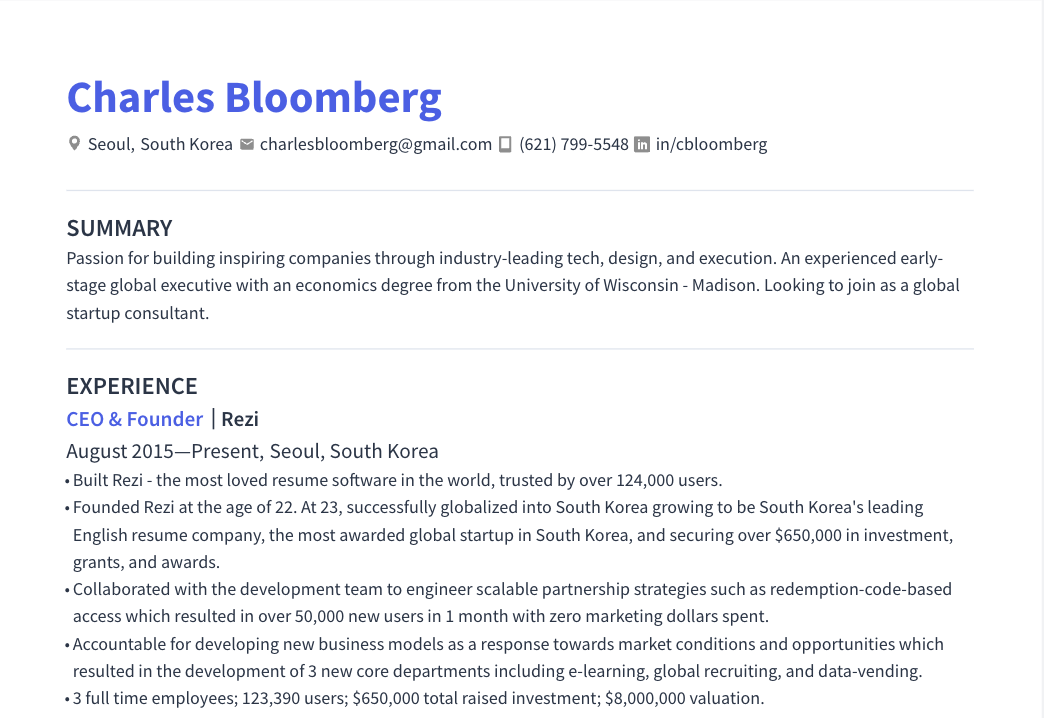
Impress employers and recruiters.
Choose from hundreds of resume examples.
Tailor your resume to this Chief Architect role.
Rezi rewrites your resume against Capgemini's job description. Free.
Tailor your resume to this Chief Architect role.
Rezi rewrites your resume against Capgemini's job description. Free.
Don't guess if your resume is good enough.
See how it scores against the Chief Architect posting at Capgemini — free, in seconds.
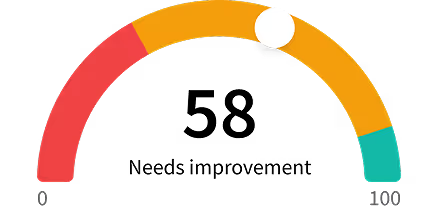
Don't guess if your resume is good enough.
See how it scores against the Chief Architect posting at Capgemini — free, in seconds.
About the Role
The Chief Architect defines, governs, and executes the enterprise technology architecture strategy for IT Infrastructure Services. This senior leadership role ensures alignment between business objectives, digital transformation goals, operational requirements, security standards, and technology investments through a cohesive and future-ready architecture vision. The role provides strategic leadership across Cloud & DevOps, Security, Network & Voice, Workforce Services, Platform Services, Operational Services, Data & AI, and Service Management domains, serving as the principal technology advisor to executive stakeholders.
Responsibilities
- Develop and maintain the enterprise architecture vision, strategy, and multi-year technology roadmap.
- Establish architectural principles, standards, design patterns, and governance frameworks across all infrastructure services.
- Align technology architecture strategies with business priorities, operating model objectives, and transformation initiatives.
- Serve as the ultimate architecture authority for infrastructure modernization, service transformation, cloud adoption, and innovation programs.
- Provide strategic technology guidance to executive leadership and governance boards.
- Chair architecture review boards and design authority forums.
- Establish architectural policies, standards, and reference architectures.
- Govern solution designs to ensure consistency, scalability, security, maintainability, and compliance.
- Define technology lifecycle management processes, including technology adoption, rationalization, and retirement strategies.
- Ensure architectural decisions support operational excellence and long-term business outcomes.
- Define architecture direction across Cloud, Platform, Network, Security, Workplace, and Operations functions.
- Oversee the design of resilient, scalable, and highly available infrastructure services.
- Ensure interoperability across technology towers and platforms.
- Lead efforts to simplify and standardize infrastructure architectures.
- Drive convergence toward modern hybrid cloud and platform-based operating models.
- Establish cloud architecture standards and adoption frameworks.
- Lead cloud transformation initiatives, including migration, modernization, optimization, and governance programs.
- Define architecture patterns supporting DevOps, platform engineering, automation, and service delivery excellence.
- Ensure cloud solutions balance performance, resilience, security, compliance, and cost efficiency.
- Drive adoption of modern engineering and infrastructure-as-code practices.
- Define architectural strategies for AI-enabled operations, AIOps, predictive analytics, intelligent automation, and service intelligence.
- Establish standards for integrating AI and automation capabilities into infrastructure services.
- Identify emerging technologies and innovation opportunities that enhance operational performance and customer outcomes.
- Partner with AI Architects and automation leaders to accelerate technology transformation initiatives.
- Lead strategic proof-of-concept and innovation programs that support future-state operating models.
- Ensure security-by-design principles are embedded into all architecture decisions.
- Collaborate with Security Services leadership to establish enterprise security architecture standards.
- Define architecture controls supporting cyber resilience, regulatory compliance, privacy, and risk management objectives.
- Oversee disaster recovery, business continuity, and operational resilience architecture strategies.
- Ensure architecture solutions address emerging technology and cybersecurity risks.
- Define architecture standards for data platforms, operational analytics, observability, monitoring, and service intelligence.
- Establish integration architectures that enable seamless information flow across infrastructure domains.
- Support enterprise reporting, performance measurement, automation, and AI initiatives through scalable data architectures.
- Promote data governance, data quality, and enterprise information management best practices.
- Ensure architecture decisions support real-time operational visibility and business insights.
- Lead architecture planning for large-scale transformation programs.
- Define target-state architectures that support operational efficiency, automation, standardization, and vendor consolidation.
- Develop transition roadmaps from current-state to future-state technology landscapes.
- Ensure transformation initiatives deliver measurable business value while minimizing technology and operational risk.
- Support continuous improvement initiatives aligned with modernization and operational excellence goals.
- Provide technical governance and oversight for strategic technology partners and suppliers.
- Evaluate emerging technologies, products, services, and platforms.
- Support vendor selection, technology assessment, and architectural due diligence activities.
- Guide technology investment decisions and strategic sourcing activities.
- Ensure third-party solutions align with enterprise architecture standards and business requirements.
- Act as the trusted technology advisor to executive leadership and business stakeholders.
- Translate business strategy into technology roadmaps and actionable architecture plans.
- Communicate architectural direction, risks, opportunities, and investment recommendations to senior leadership.
- Facilitate alignment between business, delivery, operations, security, and technology teams.
- Foster a culture of innovation, collaboration, and engineering excellence across the organization.
Requirements
- 15+ years of progressive experience in enterprise architecture, infrastructure engineering, technology strategy, or digital transformation.
- Minimum 10 years of architecture leadership experience in large-scale enterprise or managed services environments.
- Proven experience leading complex infrastructure transformation, cloud modernization, and technology integration initiatives.
- Demonstrated success designing enterprise-scale architecture strategies across multiple technology domains.
- Experience working within large, globally distributed, multi-vendor environments.
Skills
- Enterprise Architecture
- Infrastructure Architecture
- Solution Architecture
- Technology Strategy
- Cloud Computing
- Hybrid Infrastructure
- DevOps
- Platform Engineering
- Security Architecture
- Modern Workplace technologies
- Enterprise infrastructure services (networks, platforms, cloud, security, workplace services, operations)
- AI
- Machine Learning
- Automation
- AIOps
- Observability
- Analytics platforms
- Integration architectures
- Data platforms
- Service management
- Operational governance
- Architecture governance models
- Technology standards
- Reference architectures
- Enterprise modernization
- Transformation programs
- Technology rationalization programs
- Executive presence
- Communication skills
- Stakeholder management
- Influencing capabilities
- Strategic thinking
- Analytical skills
- Problem-solving skills
- Risk management
- Financial objectives
- Organizational transformation
- Technology innovation cultures
Experience Level
- 15+ years of progressive experience
- Minimum 10 years of architecture leadership experience
Education Level
- TOGAF Enterprise Architecture Certification
- Zachman Framework Certification or equivalent architecture credentials
- Microsoft Azure Solutions Architect Expert
- AWS Certified Solutions Architect Professional
- Google Professional Cloud Architect
- ITIL Managing Professional or Strategic Leader
- CISSP, CCSP, or equivalent security certification
- SAFe Architect, PMP, or related transformation certifications