Impress employers and recruiters.
Choose from hundreds of resume examples.
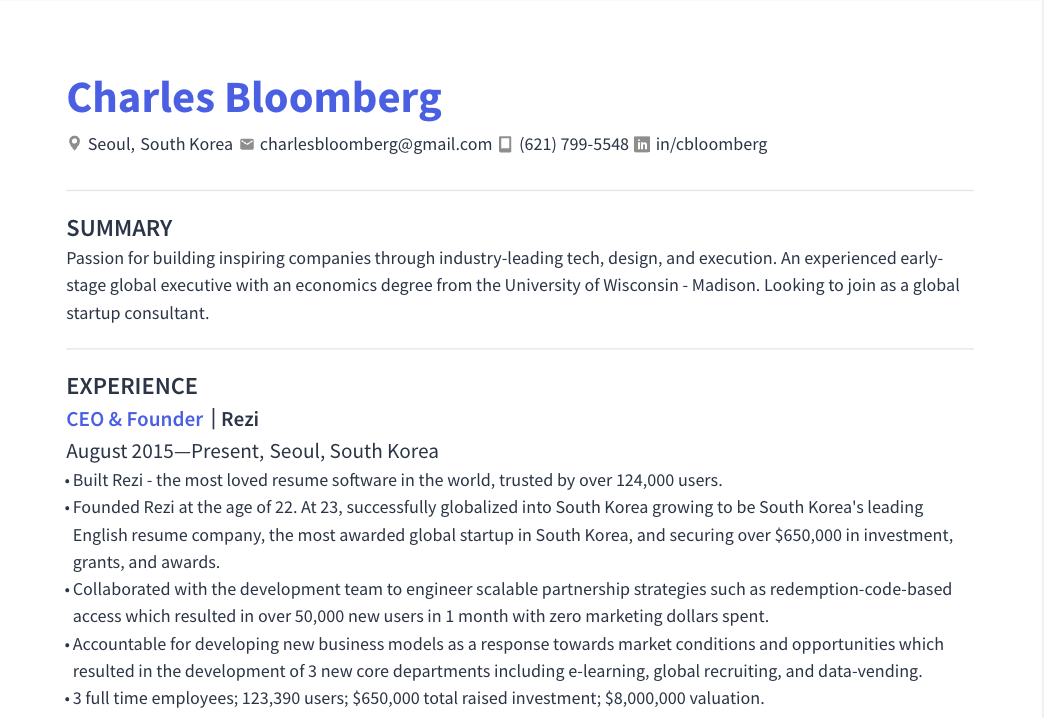
Impress employers and recruiters.
Choose from hundreds of resume examples.
Tailor your resume to this Application Engineer role.
Rezi rewrites your resume against Renesas Electronics's job description. Free.
Tailor your resume to this Application Engineer role.
Rezi rewrites your resume against Renesas Electronics's job description. Free.
Don't guess if your resume is good enough.
See how it scores against the Application Engineer posting at Renesas Electronics — free, in seconds.

Don't guess if your resume is good enough.
See how it scores against the Application Engineer posting at Renesas Electronics — free, in seconds.
About the Role
We are looking for an AI Application Engineer to support the enablement, optimization, and deployment of AI models on automotive-grade SoCs. In this role, you will work closely with internal compiler/runtime teams and external customers to bring AI models from training to optimized inference on embedded NPU/DSP platforms, with a strong focus on performance, accuracy, and system integration.
Responsibilities
- Enable and deploy AI models (e.g., BEV, object detection, segmentation, classification) on Gen4/5 SoC platforms with CNNIP/DSP/NPU HWA.
- Perform model performance analysis (latency, throughput, multi-core scaling) and identify bottlenecks related to memory bandwidth, scheduling, or operator mapping.
- Support model optimization workflows, including Post-Training Quantization (PTQ), Quantization-Aware Training (QAT) collaboration, operator fusion, graph optimization, and execution partitioning.
- Analyze accuracy degradation caused by quantization or operator limitations and propose mitigation strategies.
- Integrate AI models into embedded runtime environments (Linux / QNX).
- Debug issues related to CNNIP/DSP/NPU offloading, memory allocation / IPMMU, data transfer overhead and multi-core synchronization.
- Validate AI workloads on target boards and simulators (SIL / HIL).
- Work with AI compiler and runtime toolchains (e.g., ONNX-based workflows, hybrid compiler, MWMX).
- Support ONNX model handling, including graph inspection and modification, model segmentation and execution control, and quantized (QDQ) ONNX models.
- Develop or maintain internal tools and scripts to improve model validation, benchmarking, and customer workflows.
- Act as a technical interface between customers, internal development teams, and field application engineers.
- Support customer evaluations, PoCs, and demos on automotive AI platforms.
- Provide technical guidance, documentation, and best practices for AI model deployment.
- Contribute to weekly technical reports, issue tracking, and release validation activities.
Requirements
- Bachelor’s or Master’s degree in Computer Science, Electrical Engineering, Embedded Systems, or have experience in embedded systems.
- Solid understanding of deep learning fundamentals and inference pipelines.
- Hands-on experience with AI frameworks such as PyTorch, ONNX, or ONNX Runtime.
- Strong programming skills in Python; working knowledge of C/C++ is a plus.
- Familiarity with embedded systems and debugging tools.
- Ability to analyze performance using metrics such as latency, throughput, and hardware utilization.
- Good communication skills in a multi-cultural, cross-functional environment.
- 1–3 years of experience in embedded systems or AI-related development.
- Experience with AI model training, fine-tuning, or evaluation, especially for Computer vision models (Detection / Segmentation / BEV) or Automotive or robotics use cases.
- Practical experience with AI inference optimization on embedded hardware (NPU, DSP, GPU, or CPU).
- Familiarity with quantization techniques (INT8, calibration methods, QDQ models).
- Experience with automotive SoCs or safety-related software environments (QNX is a plus).
- Understanding of memory hierarchy, DMA, and multi-core scheduling in SoC architectures.
- Experience supporting customers or acting in a technical support / application engineering role.
- Knowledge of automotive AI standards or ADAS perception pipelines.
- Experience contributing to internal tools, scripts, or documentation.
- Ability to read and debug ONNX graphs or intermediate representations.
Skills
- AI models
- Automotive-grade SoCs
- NPU/DSP platforms
- Performance analysis
- Latency
- Throughput
- Multi-core scaling
- Memory bandwidth
- Scheduling
- Operator mapping
- Post-Training Quantization (PTQ)
- Quantization-Aware Training (QAT)
- Operator fusion
- Graph optimization
- Execution partitioning
- Accuracy degradation analysis
- Embedded runtime environments
- Linux
- QNX
- CNNIP/DSP/NPU offloading
- Memory allocation
- IPMMU
- Data transfer overhead
- Multi-core synchronization
- Target boards
- Simulators (SIL / HIL)
- AI compiler
- Runtime toolchains
- ONNX-based workflows
- Hybrid compiler
- MWMX
- ONNX model handling
- Graph inspection
- Model segmentation
- Execution control
- Quantized (QDQ) ONNX models
- Internal tools and scripts
- Model validation
- Benchmarking
- Customer workflows
- Technical interface
- Customer evaluations
- PoCs
- Demos
- Automotive AI platforms
- Technical guidance
- Documentation
- Best practices
- AI model deployment
- Weekly technical reports
- Issue tracking
- Release validation
- Deep learning fundamentals
- Inference pipelines
- PyTorch
- ONNX
- ONNX Runtime
- Python
- C/C++
- Embedded systems
- Debugging tools
- Hardware utilization
- Communication skills
- Computer vision models
- Detection
- Segmentation
- BEV
- Automotive use cases
- Robotics use cases
- AI inference optimization
- Embedded hardware
- Quantization techniques
- INT8
- Calibration methods
- Automotive SoCs
- Safety-related software environments
- Memory hierarchy
- DMA
- SoC architectures
- Technical support
- Application engineering
- Automotive AI standards
- ADAS perception pipelines
- Intermediate representations
Work Type
- Regular (PERM)
- No Remote Work Available
Experience Level
- 1–3 years of experience in embedded systems or AI-related development
Education Level
- Bachelor’s or Master’s degree in Computer Science, Electrical Engineering, Embedded Systems, or have experience in embedded systems.
Benefits
- Competitive compensation
- Comprehensive benefits package
About the Company
- Renesas is a global company providing embedded semiconductor solutions, with the purpose of 'Making Our Lives Easier'.
- With over 21,000 engineers and problem-solving professionals in more than 30 countries, we are involved in developing cutting-edge technologies in the automotive, industrial, infrastructure, and IoT fields, contributing to the realization of a safer, healthier, more environmentally friendly, and smarter future.
- Renesas' core corporate culture is 'TAGIE' (Transparent, Agile, Global, Innovative, Entrepreneurial).
- TAGIE represents the shared values that support our way of working, our growth, and our efforts to achieve our Purpose.
- This collaborative spirit and challenging mindset enable us to drive industry transformation through semiconductor technology and contribute to people's lives worldwide.