Impress employers and recruiters.
Choose from hundreds of resume examples.
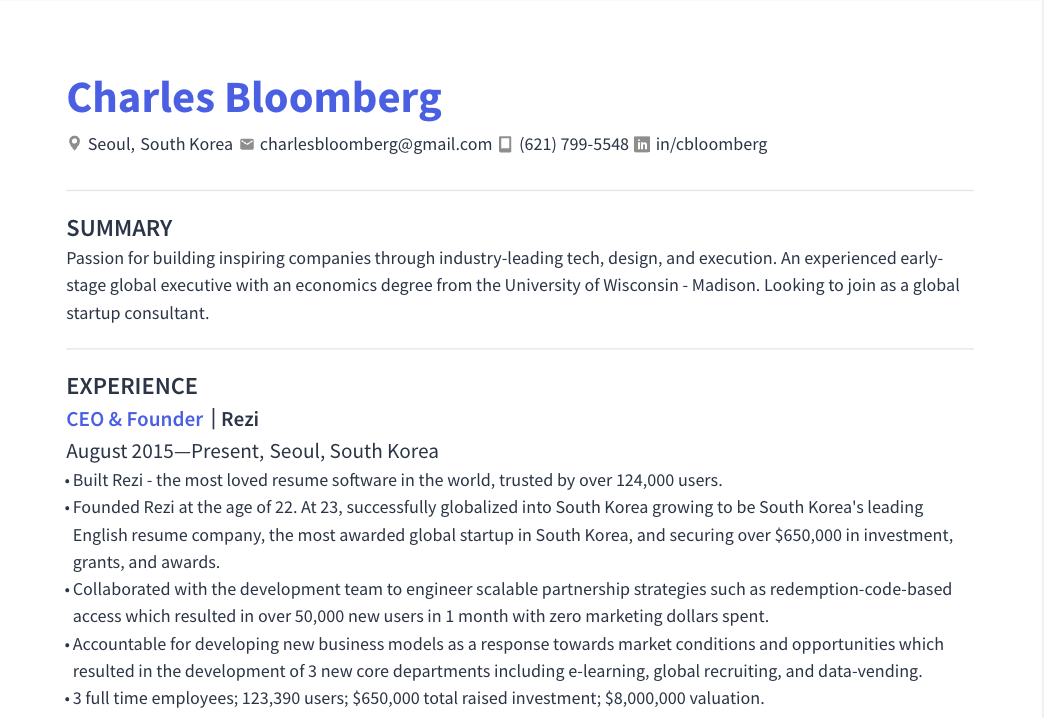
Impress employers and recruiters.
Choose from hundreds of resume examples.
Target Resume Now
About the Role
The IT Platform Administrator serves as a crucial link between business needs and technical solutions, ensuring the availability and optimal performance of applications for users. This role involves proactive monitoring, incident response, troubleshooting, and maintaining application currency. The administrator will also focus on empowering users through self-service and automation, conducting audits, and ensuring application compliance. Collaboration with various departments is key to advocating for stakeholder interests and platform best practices.
Responsibilities
- Installs, configures, troubleshoots, patches, and maintains enterprise software platforms.
- Conducts testing, systems troubleshooting, performance optimization, and maintenance of applications.
- Monitors system uptime and performance, and maintains system configuration and backups.
- Manages user and system accounts, network rights, and access to integrated systems.
- Interacts with cross-functional teams, developers, QA, and business teams to resolve incidents.
- Documents resolution of problem tickets, including root cause analysis.
- Utilizes the support ticketing system to partner with internal teams and vendors for issue analysis and resolution.
- Prepares and maintains documentation per change management standards.
- Provides feedback regarding release documentation.
- Participates in on-call production support rotation, including off-hours.
- Maintains member privacy in accordance with corporate policies.
- Proactively identifies system risks or issues and provides recommendations.
- Acts as a subject matter expert to determine business requirements for application maintenance and improvement.
- Coordinates with vendors on application functionality changes and reviews new software releases.
- Generates ideas for new and improved technology use based on business needs.
- Identifies best practices and participates in the creation and monitoring of organizational standards and controls.
- Defines and implements processes to maintain application security.
- Acts as a subject matter expert across a wide range of software components, systems, and vendors.
- Mentors less experienced team members.
- Participates in complex troubleshooting of application issues, supporting developers and vendors.
- Researches new technologies and recommends strategy updates.
- Initiates and leads meetings, develops agendas, and ensures effective application deployment and utilization.
- Develops training, communication, and process documentation.
- Acts as a trusted advisor to the leadership team.
- Leads business-critical project efforts for applications, emphasizing technology cost optimization.
- Provides mentorship to technical staff.
- Leads internal strategic efforts.
Requirements
- Associates degree in Computer Science, Information Technology, Management Information Systems, Business, Analytics or relevant field, or three (3) years of related work experience.
- Prior professional, internship, or co-op in enterprise-scale platforms preferred.
- Basic knowledge of structured systems analysis and design with emphasis in systems administration, user support, project management, data integrity, and data gathering techniques.
- Basic knowledge of relevant operating systems (linux and/or windows).
- Basic knowledge of programming/scripting languages (PowerShell, python, bash, SQL, and/or others).
- Basic knowledge of relational database management systems (Oracle, SQL Server, AWS Redshift and/or others).
- Basic knowledge of cloud platforms (Azure, AWS, Salesforce, Pega, and/or GCP).
- Basic knowledge with monitoring tools, load balancers, and high availability architectures and strategies.
- Basic knowledge of the ITIL process framework - Incident Management, Problem Management, Change Management and Service Level Management.
- Basic skills in quality principles especially root cause analysis and technical problem-solving.
- Basic knowledge of source control processes & tools.
- Basic knowledge of application delivery, management structures and reporting procedures, including familiarity with Agile development methodologies.
- Intermediate communication skills, written and verbal, across multiple communication channels.
- Intermediate ability to work independently while managing multiple tasks and deadlines as well as prioritizing and organizing workload.
- Bachelor’s degree in a related field preferred (Level II+).
- Intermediate knowledge of relevant operating systems, scripting languages, database management systems in distributed environments (Level II+).
- Intermediate experience with computing resource management and optimization (Level II+).
- Basic knowledge of content store application administration or relevant technology counterparts (Level II+).
- Intermediate knowledge of content integration application administration (Level II+).
- Intermediate knowledge of Extract, Transform, Load (ETL) tools (Level II+).
- Intermediate knowledge of Active Directory or application-based security roles (Level II+).
- Intermediate knowledge of security, compliance, and audit policies/procedures (Level II+).
- Intermediate experience of Disaster Recovery (Level II+).
- Intermediate ability to support Application Development initiatives (Level II+).
- Intermediate experience in SDLC (S2E) and DevOps practices (Level II+).
- Intermediate experience in developing process and training documentation plus facilitating presentations (Level II+).
- Advanced experience in applications and application integration tool administration (Level III+).
- Advanced knowledge of technologies outside of core administration job function (Level III+).
- Advanced experience of Disaster Recovery (Level III+).
- Advanced skills in setting strategic vision (Level III+).
- Intermediate Health Insurance experience preferred (Level III+).
- Advanced experience in securing enterprise platforms (Level III+).
- Advanced experience in SDLC (S2E) and DevOps practices (Level III+).
- Advanced experience in presenting technical information to key stakeholders (Level III+).
- Expert knowledge from an overall organizational technology perspective (Level IV+).
- Expert knowledge of technologies related to core administration job function (Level IV+).
- Intermediate competency in team leadership / technical leadership, facilitation, project leadership (Level IV+).
- Advanced degree preferred (Level IV+).
- Ability to work prolonged periods sitting and/or standing at a workstation and working on a computer.
- Ability to work while sitting and/or standing at a workstation viewing a computer and using a keyboard, mouse and/or phone for three (3) or more hours at a time.
- Ability to travel across the Health Plan service region for meetings and/or trainings as needed.
- Ability to work in a home office for continuous periods of time for business continuity.
- Participates in on-call production support rotation, including off-hours.
Skills
- Enterprise software platform administration
- Application troubleshooting
- System monitoring
- User account management
- Network rights management
- Access control
- Incident resolution
- Root cause analysis
- Support ticketing systems
- Vendor management
- Documentation
- Change management
- Release management
- On-call support
- Member privacy
- System risk identification
- System improvement planning
- Business requirements gathering
- Application functionality assessment
- Technology strategy
- Process definition
- Application security
- Mentoring
- Technical leadership
- Structured systems analysis and design
- Systems administration
- User support
- Project management
- Data integrity
- Data gathering techniques
- Linux
- Windows
- PowerShell
- Python
- Bash
- SQL
- Oracle
- SQL Server
- AWS Redshift
- Azure
- AWS
- Salesforce
- Pega
- GCP
- Monitoring tools
- Load balancers
- High availability architectures
- ITIL process framework
- Incident Management
- Problem Management
- Change Management
- Service Level Management
- Root cause analysis
- Technical problem-solving
- Source control processes & tools
- Application delivery
- Agile development methodologies
- Written communication
- Verbal communication
- Independent work
- Task management
- Deadline management
- Workload prioritization
- Workload organization
- Content store application administration
- FileNet Content Manager
- Content Manager On Demand
- Alfresco
- Data Lakes
- Content integration application administration
- Content Navigator
- WebSphere Application Server
- Microsoft IIS
- Web Services
- Extract, Transform, Load (ETL)
- Informatica
- Azure Data Factory
- Databricks
- AWS Glue
- Active Directory
- Role-Based security practices
- Security policies
- Compliance policies
- Audit policies
- Disaster Recovery
- Application Development support
- SDLC (S2E)
- DevOps practices
- Process documentation
- Training documentation
- Presentation facilitation
- Strategic vision setting
- Health Insurance experience
- On-premises security
- Azure security
- AWS security
- Team leadership
- Facilitation
- Project leadership
Location
- Within the Health Plan service region (for travel)
- Home office (for business continuity)
Work Type
- On-call production support rotation
- Remote work (potential, case-by-case basis)
Experience Level
- Level I
- Level II
- Level III
- Level IV
Education Level
- Associates degree in Computer Science, Information Technology, Management Information Systems, Business, Analytics or relevant field
- Bachelor’s degree in a related field preferred
- Advanced degree preferred
Salary/Compensations
- Level I - 60,410 - 84,000
- Level II - 60,410 - 106,929
- Level III -79,068 - 142,322
- Level IV - 87,766 -157,978
Benefits
- Participation in group health and/or dental insurance
- Retirement plan
- Wellness program
- Paid time away from work
- Paid holidays
About the Company
- The Lifetime Healthcare Companies
Equal Opportunity
- All qualified applicants will receive consideration for employment without regard to race, color, religion, sex, sexual orientation, gender identity, national origin, disability, or status as a protected veteran.